- Space
- Astronomy
- The Moon
When does the next full moon rise? Find out exactly when to see the full moons of 2026, including the full "Wolf Moon" supermoon in January.
When you purchase through links on our site, we may earn an affiliate commission. Here’s how it works.
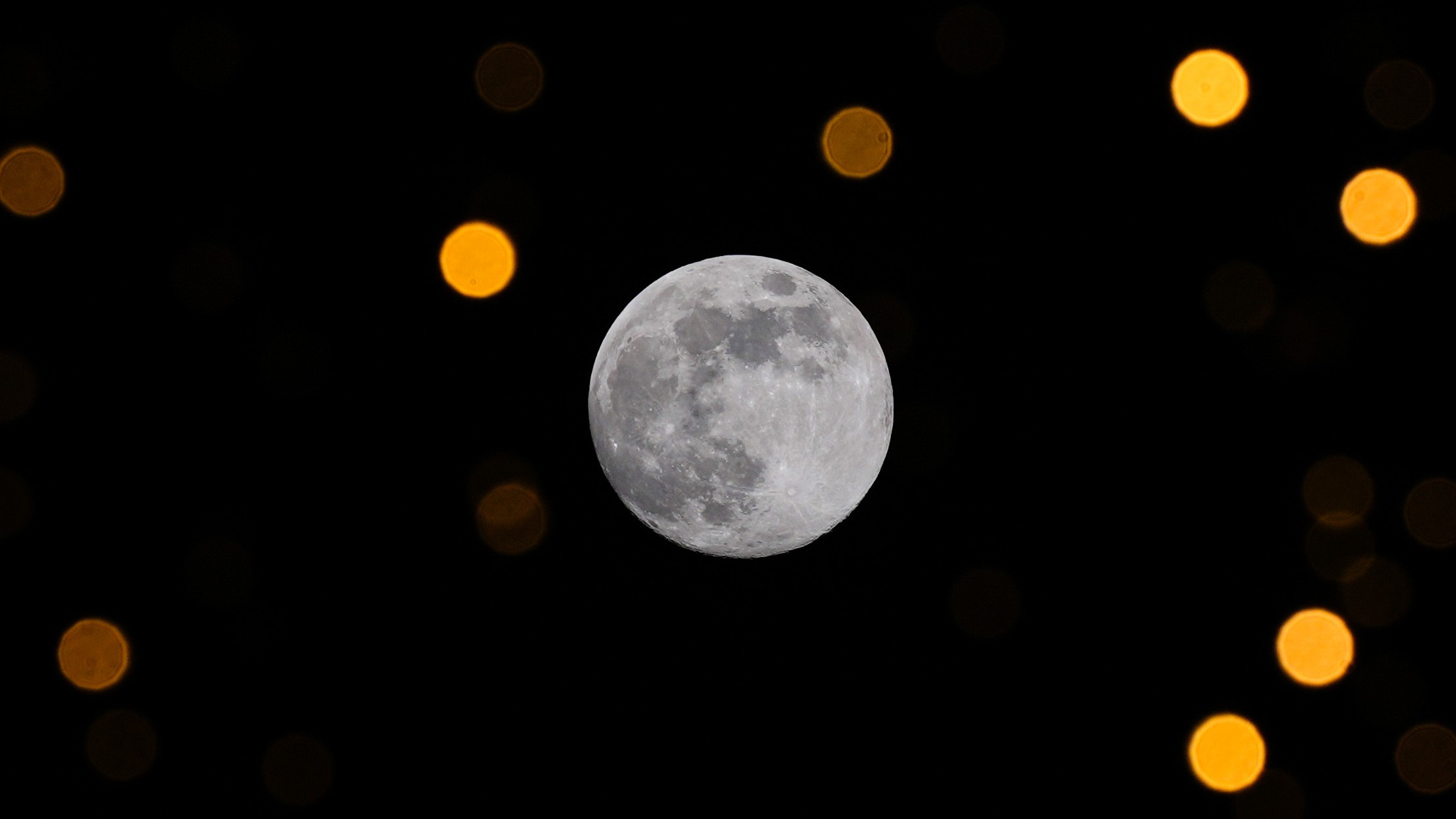
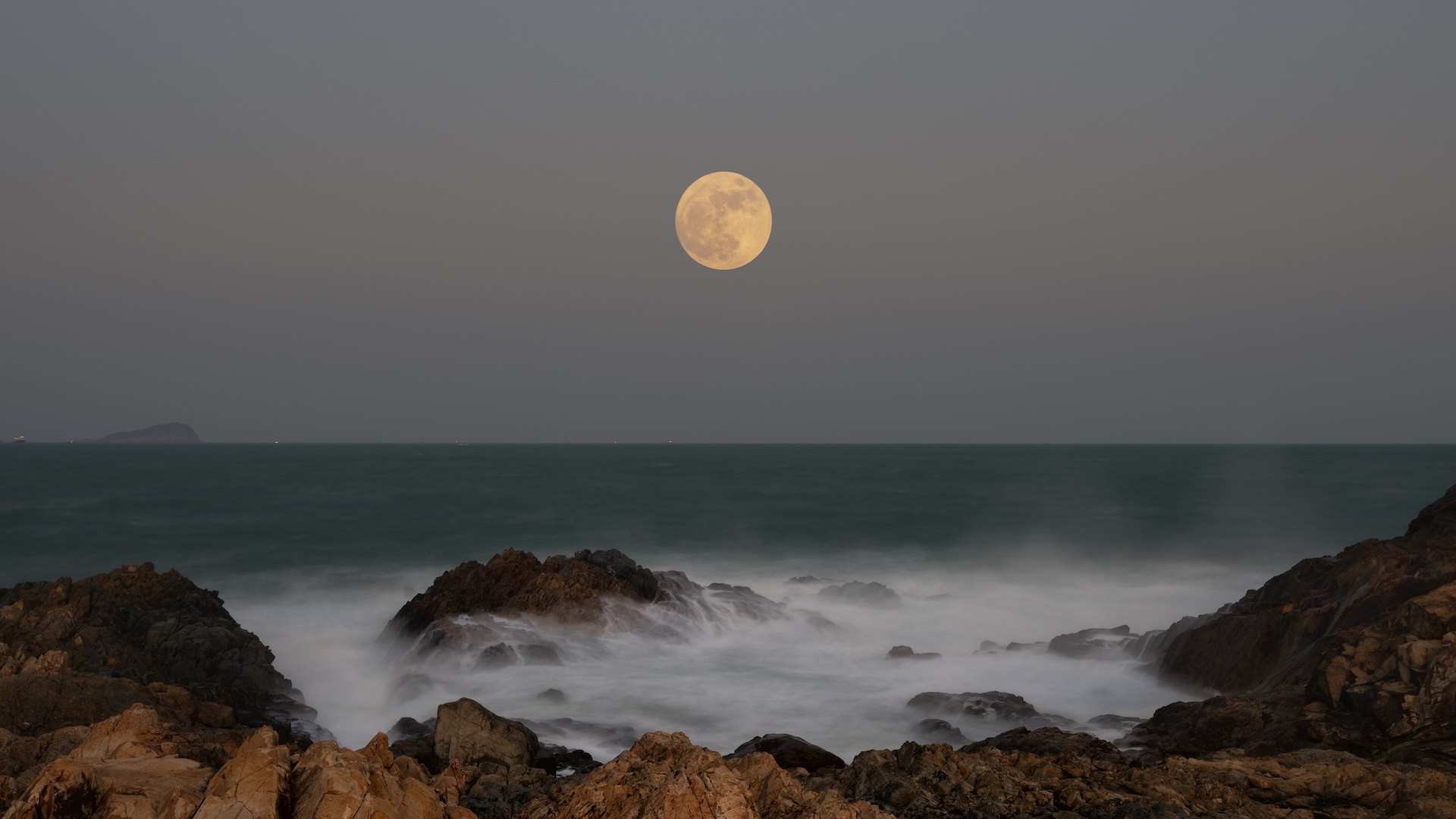 There will be 13 full moons in 2026.
(Image credit: Getty Images)
Share
Share by:
There will be 13 full moons in 2026.
(Image credit: Getty Images)
Share
Share by:
- Copy link
- X
When is the next full moon?
January's full moon, nicknamed the Wolf Moon, rises on Saturday, Jan. 3, as the second-highest full moon of the year. The moon turns full at precisely 5:03 a.m. EST and will also appear bright and full on Friday (Jan. 2) and Sunday (Jan. 4).
Supermoons occur when the full moon rises near perigee, its closest point to Earth in its elliptical orbit, making it appear bigger and brighter than a typical full moon. (By contrast, a micromoon occurs when the full moon coincides with apogee, its farthest point from Earth, making it appear smaller from our perspective.)
You may like-
 When is the next full moon?
-
 January 'Wolf Supermoon': How to see the full moon rise with Jupiter this weekend
-
 'Wolf Supermoon' gallery: See the first full moon of 2026 in pictures from across the world
Here's how to photograph the moon when it's at its best.
Full moons of 2026: An overview
In 2026, you'll have the chance to see 13 full moons, including three supermoons and two lunar eclipses (one of which is the last total lunar eclipse until New Year's Eve 2028). Although experienced moon gazers know that the night of the full moon is not the best for observing the lunar surface (even with a good pair of binoculars), the full moon rising as an orb at dusk is a celestial view that's hard to beat.
Full moon guide: When are the full moons of 2026?
Here are all of the full moon dates and times for 2026, according to timeanddate.com, including the most commonly used names in North America:
- Saturday, Jan. 3: Wolf Moon (10:02 UTC/5:02 a.m. EST) — also a supermoon
- Sunday, Feb. 1: Snow Moon (22:09 UTC/5:09 p.m. EST)
- Tuesday, March 3: Worm Moon (11:37 UTC/6:37 a.m. EST) — also a total lunar eclipse
- Wednesday, April 1: Pink Moon (02:11 UTC on April 2/10:11 p.m. EDT on April 1)
- Friday, May 1: Flower Moon (17:23 UTC/1:23 p.m. EDT)
- Sunday, May 31: Blue Moon (08:45 UTC/4:45 a.m. EDT)
- Monday, June 29: Strawberry Moon (23:56 UTC/7:56 p.m. EDT) — also a micromoon
- Wednesday, July 29: Buck Moon (14:35 UTC/10:35 a.m. EDT)
- Friday, Aug. 28: Sturgeon Moon (04:18 UTC/12:18 a.m. EDT) — also a partial lunar eclipse
- Saturday, Sept. 26: Harvest Moon (16:49 UTC/12:49 p.m. EDT)
- Monday, Oct. 26: Hunter's Moon (04:11 UTC/12:11 a.m. EDT)
- Tuesday, Nov. 24: Beaver Moon (14:53 UTC/9:53 a.m. EST) — also a supermoon
- Wednesday, Dec. 23: Cold Moon (01:28 UTC on Dec. 24/8:28 p.m. EST on Dec. 23) — also a supermoon
Lunar eclipses 2026
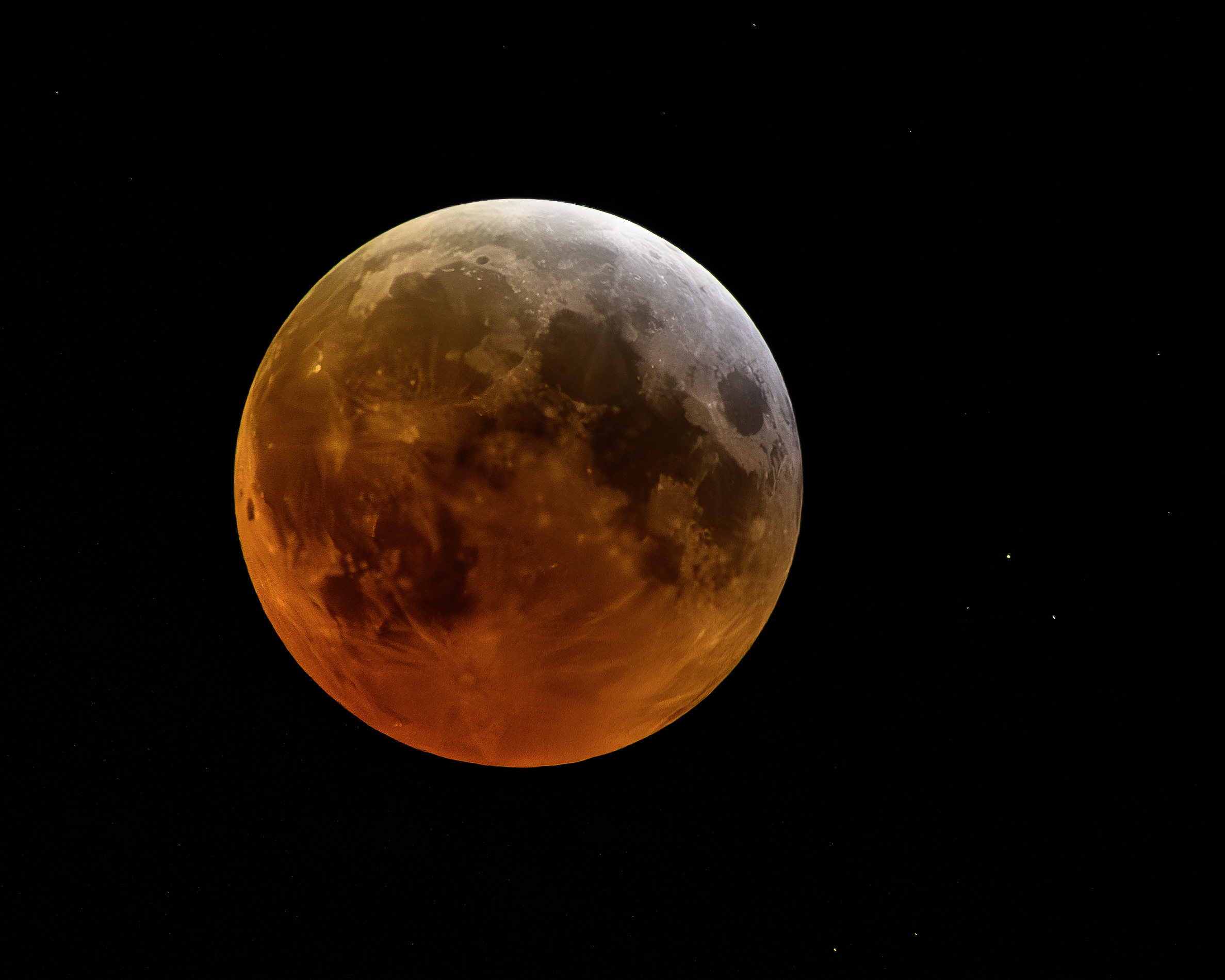
There will be two lunar eclipses in 2026, but only one will be total. The first, on March 2-3, will be a total lunar eclipse, during which the full Worm Moon will drift through Earth's inner umbral shadow and turn a reddish-orange color for 58 minutes, from 6:04 to 7:02 a.m. EDT on March 3, according to timeanddate.com. The best views of this event, nicknamed a "blood moon," will be from western North America and the Asia Pacific.
Sign up for the Live Science daily newsletter nowContact me with news and offers from other Future brandsReceive email from us on behalf of our trusted partners or sponsorsBy submitting your information you agree to the Terms & Conditions and Privacy Policy and are aged 16 or over.The second lunar eclipse, on Aug. 27-28, will be a partial lunar eclipse, during which 96% of the Sturgeon Moon will enter Earth's inner umbral shadow and may take on a reddish-orange hue near maximum eclipse at 12:12 a.m. EDT on Aug. 28, according to timeanddate.com. The best views will be from North and South America, Europe and Africa.
What are the moon's phases?
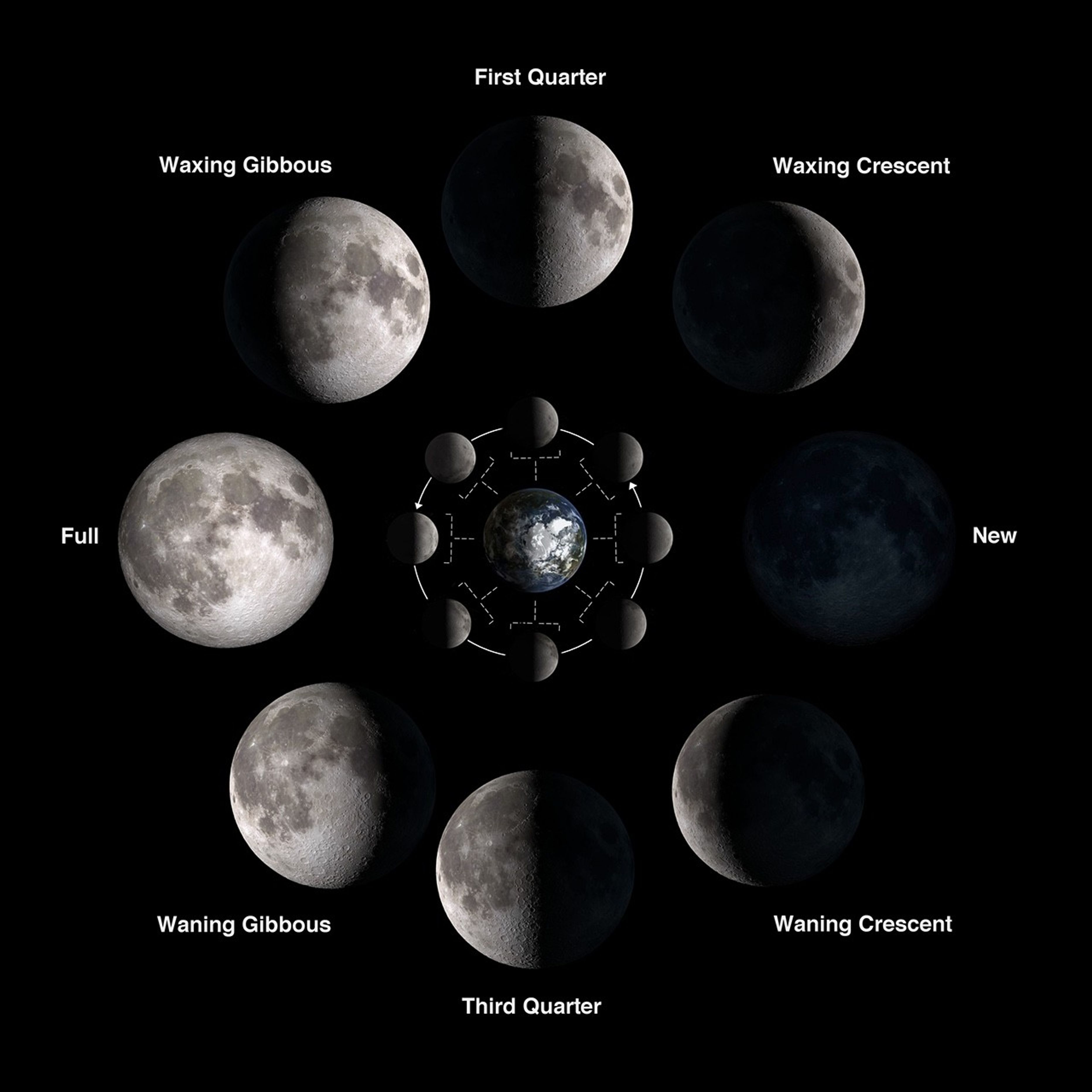
Scientists typically break the moon's 29.5-day cycle into eight phases, which are determined by the relative positions of the moon, Earth and the sun.
The start of the cycle is the new moon, which is when the moon is exactly between Earth and the sun. We cannot see the moon when it's in the new phase because no sunlight is reflected from its Earth-facing side. A new moon is the only time when a solar eclipse is possible. Two central solar eclipses will occur in 2026: an annular solar eclipse on Feb. 17 and a total solar eclipse on Aug. 12.
As more sunlight hits the moon's Earth-facing side, we say the moon is waxing. The next phase of the moon is called a waxing crescent, followed by the first-quarter phase. Half of the moon's visible surface appears illuminated during the first quarter.
Related Stories—Moon: Facts about our planet's lunar companion
—How long does it take to travel to the moon?
—Moon quiz: What do you know about our nearest celestial neighbor?
Next comes the waxing gibbous moon, which is partway between a first-quarter moon and a full moon. Halfway through the lunar cycle, the full moon rises, and the moon shines bright and large in the sky. During this phase, the moon and the sun are on opposite sides of Earth, and the entire Earth-facing side of the moon is illuminated.
After the full moon, the waning cycle begins — first with the waning gibbous phase, then a last-quarter moon and, finally, a waning crescent. After almost 30 days, the moon becomes "new" again, and the cycle repeats.
 Jamie CarterSocial Links NavigationLive Science contributor
Jamie Carter is a freelance journalist and regular Live Science contributor based in Cardiff, U.K. He is the author of A Stargazing Program For Beginners and lectures on astronomy and the natural world. Jamie regularly writes for Space.com, TechRadar.com, Forbes Science, BBC Wildlife magazine and Scientific American, and many others. He edits WhenIsTheNextEclipse.com.
Show More CommentsYou must confirm your public display name before commenting
Please logout and then login again, you will then be prompted to enter your display name.
Logout Read more When is the next full moon?
 January 'Wolf Supermoon': How to see the full moon rise with Jupiter this weekend
 'Wolf Supermoon' gallery: See the first full moon of 2026 in pictures from across the world
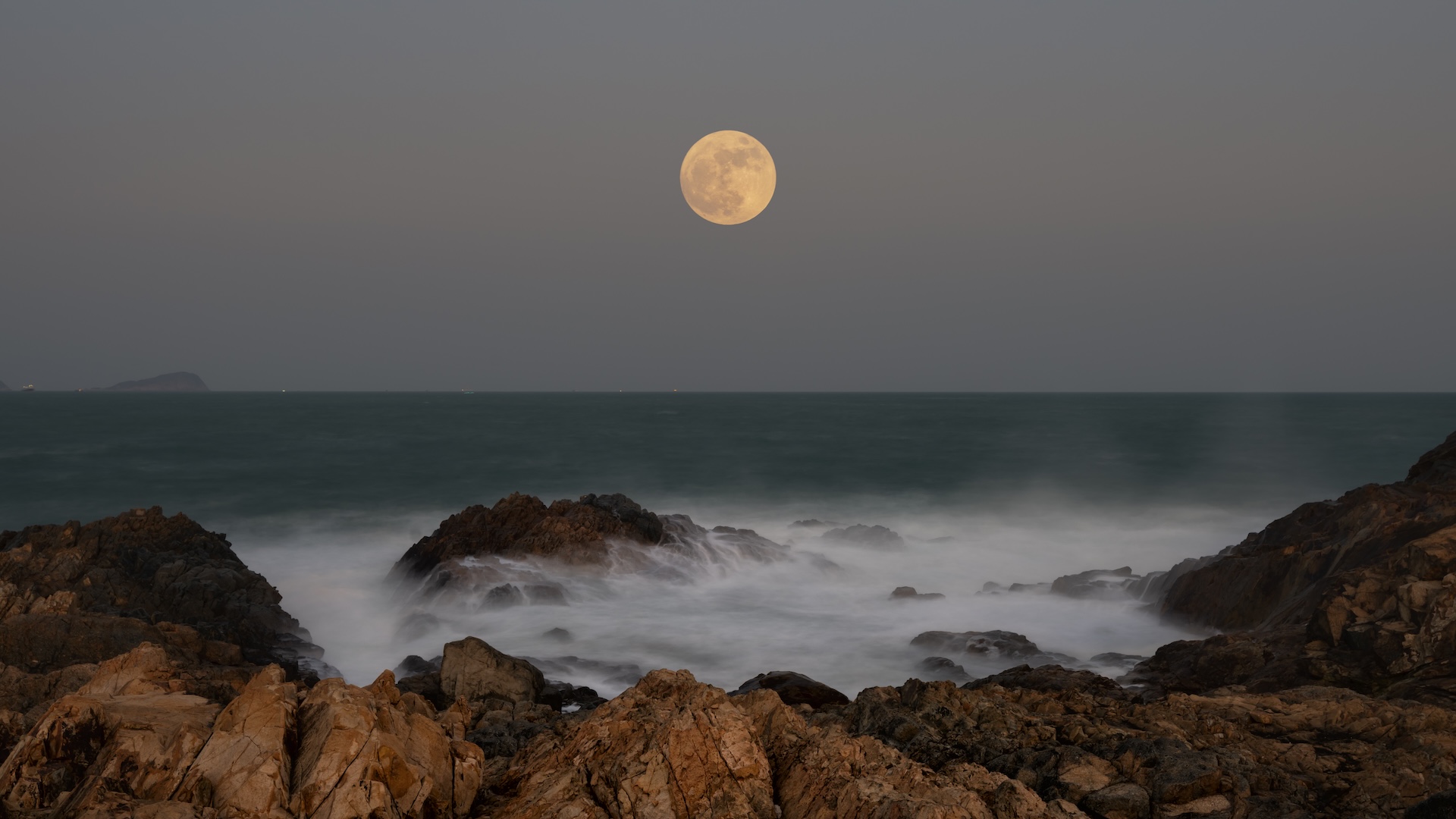
 Cold Moon 2025: See the last and highest full moon of the year
 Beaver Supermoon: The biggest, brightest full moon of the year rises tonight
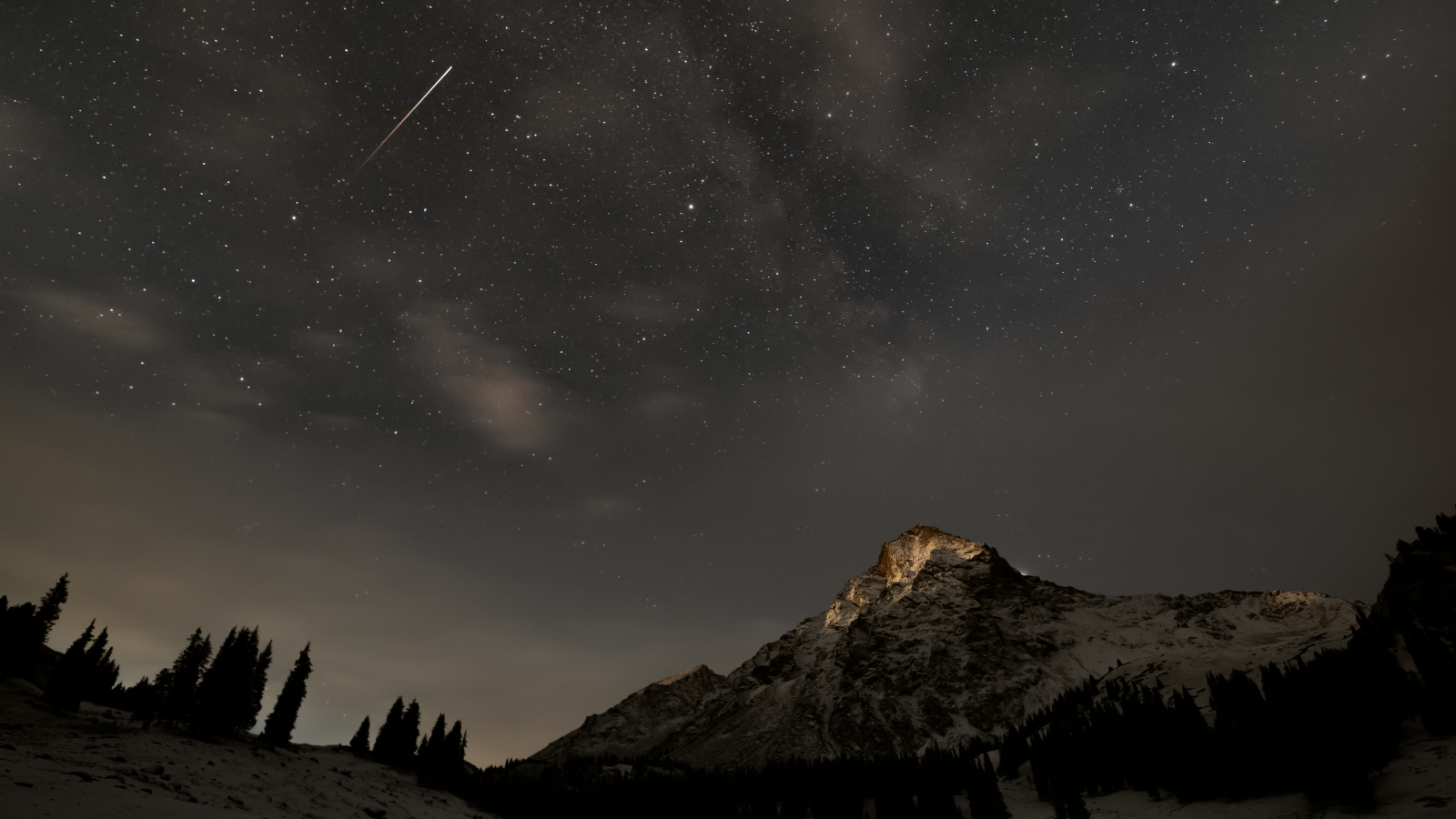 Quadrantid meteor shower peaks this week: How to see the first 'shooting' stars of the year
Latest in The Moon
Quadrantid meteor shower peaks this week: How to see the first 'shooting' stars of the year
Latest in The Moon
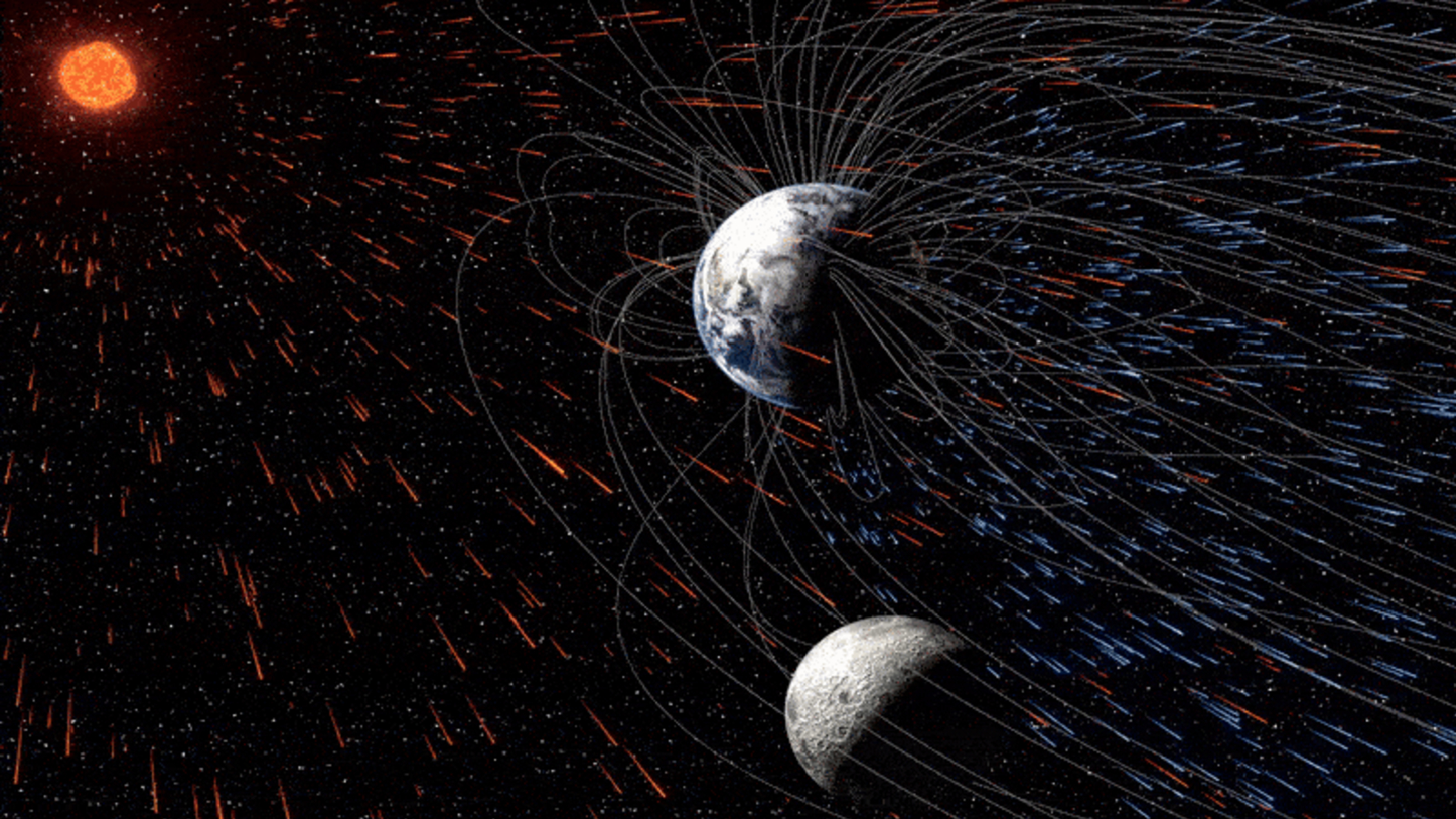 The moon has been secretly feasting on Earth's atmosphere for billions of years
'Wolf Supermoon' gallery: See the first full moon of 2026 in pictures from across the world
Cold Moon 2025: See the last and highest full moon of the year
The moon has been secretly feasting on Earth's atmosphere for billions of years
'Wolf Supermoon' gallery: See the first full moon of 2026 in pictures from across the world
Cold Moon 2025: See the last and highest full moon of the year
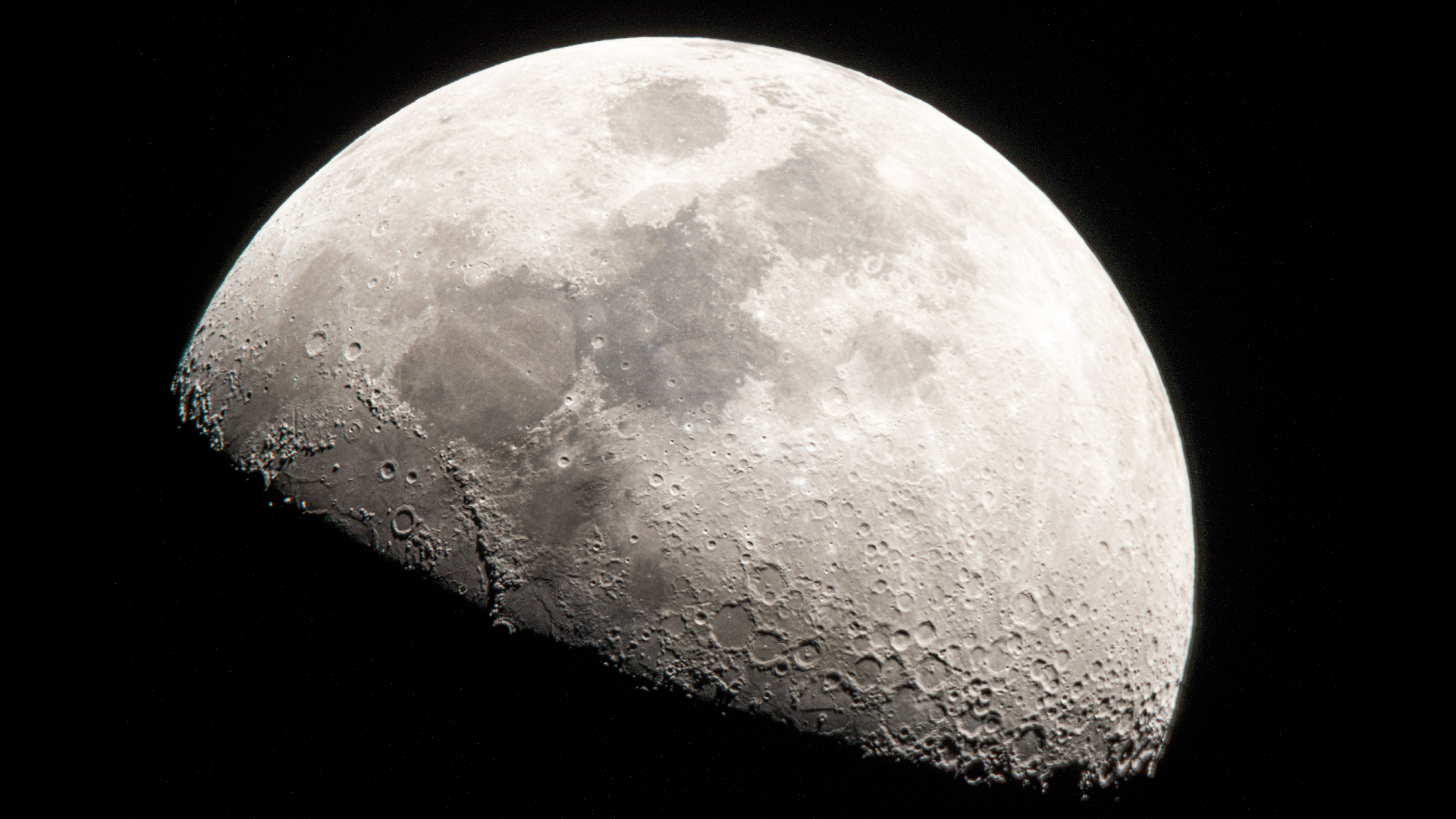 Scientists finally find explanation for lopsided cloud that follows Earth's moon through space
Beaver Supermoon: The biggest, brightest full moon of the year rises tonight
Scientists finally find explanation for lopsided cloud that follows Earth's moon through space
Beaver Supermoon: The biggest, brightest full moon of the year rises tonight
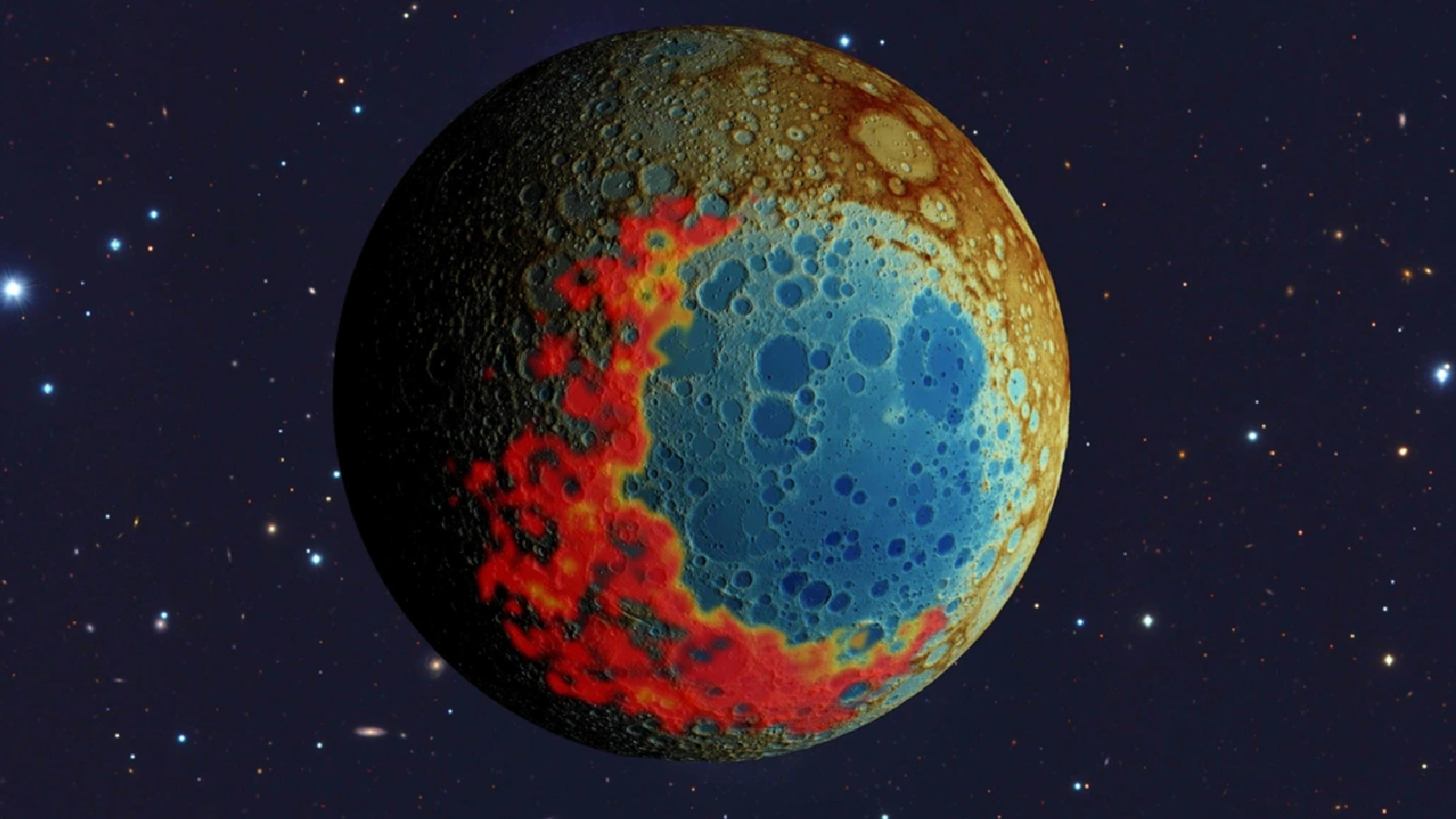 We were wrong about how the moon's largest and oldest crater formed — and that's great news for NASA's next lunar landing
Latest in News
We were wrong about how the moon's largest and oldest crater formed — and that's great news for NASA's next lunar landing
Latest in News
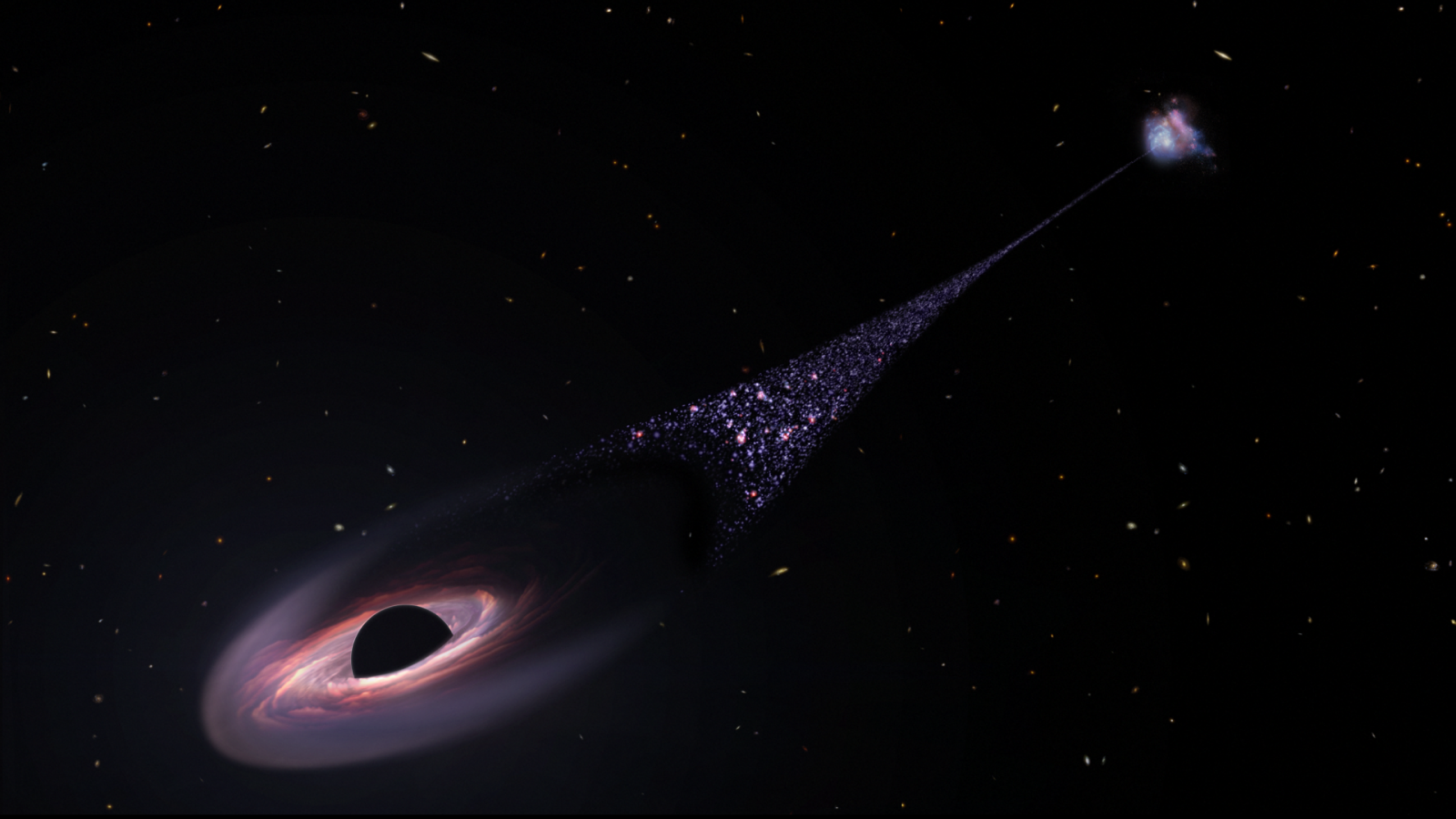 James Webb telescope confirms a supermassive black hole running away from its host galaxy at 2 million mph, researchers say
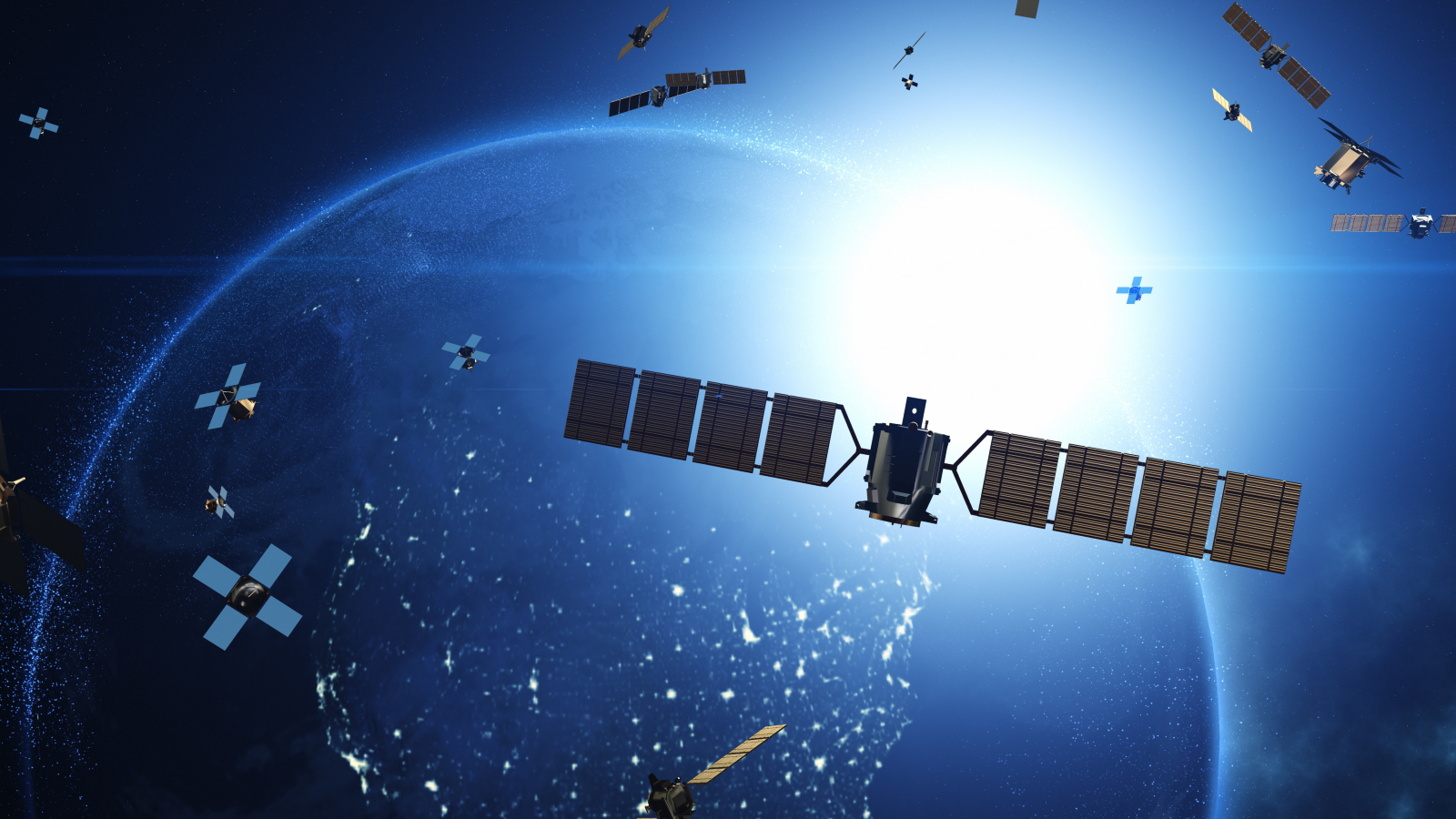 Orbiting satellites could start crashing into one another in less than 3 days, theoretical new 'CRASH Clock' reveals
 Vera C. Rubin Observatory discovers enormous, record-breaking asteroid in first 7 nights of observations
 New US food pyramid recommends very high protein diet, beef tallow as healthy fat option, and full-fat dairy
 Rare 2,000-year-old war trumpet, possibly linked to Celtic queen Boudica, discovered in England
 Leonardo da Vinci's DNA may be embedded in his art — and scientists think they've managed to extract some
LATEST ARTICLES
Leonardo da Vinci's DNA may be embedded in his art — and scientists think they've managed to extract some
LATEST ARTICLES- 1James Webb telescope confirms a supermassive black hole running away from its host galaxy at 2 million mph, researchers say
- 2Orbiting satellites could start crashing into one another in less than 3 days, theoretical new 'CRASH Clock' reveals
- 3Vera C. Rubin Observatory discovers enormous, record-breaking asteroid in first 7 nights of observations
- 4New US food pyramid recommends very high protein diet, beef tallow as healthy fat option, and full-fat dairy
- 5Rare 2,000-year-old war trumpet, possibly linked to Celtic queen Boudica, discovered in England