- Archaeology
The 1,100-year-old burials of three elite warriors — two of whom were possibly father and son — have been discovered in Hungary.
When you purchase through links on our site, we may earn an affiliate commission. Here’s how it works.
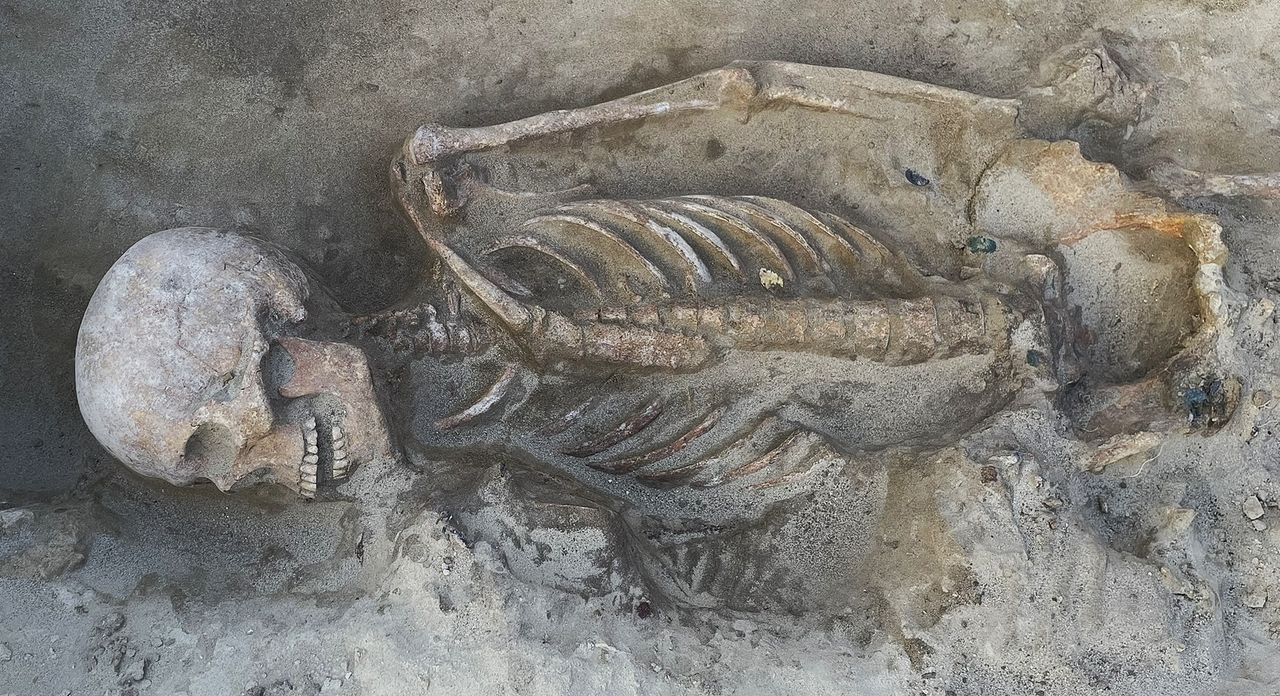
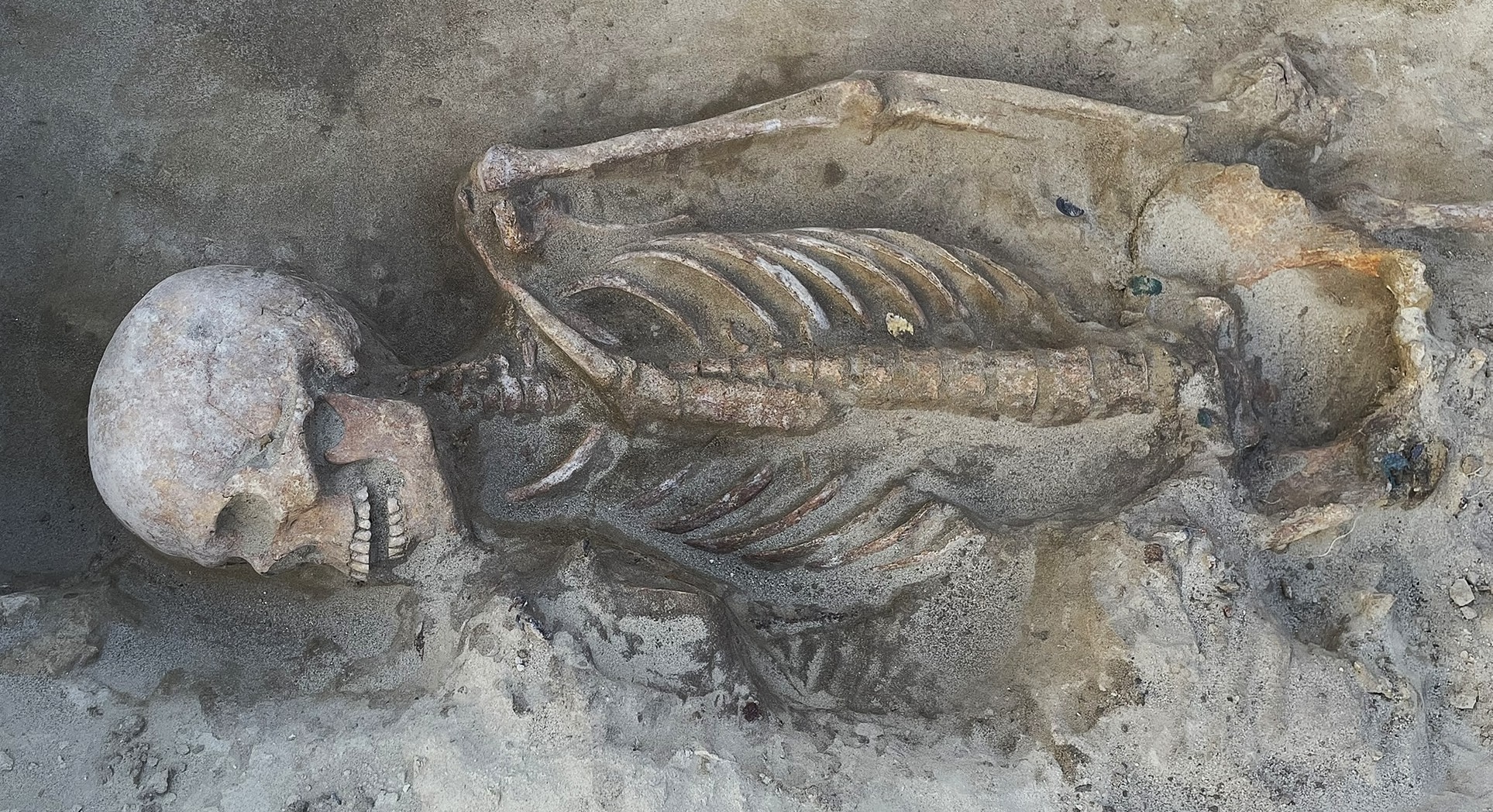 DNA tests suggest this man, who was likely a warrior, was either the father or brother of one of the younger warriors.
(Image credit: Ágnes Füredi)
Share
Share by:
DNA tests suggest this man, who was likely a warrior, was either the father or brother of one of the younger warriors.
(Image credit: Ágnes Füredi)
Share
Share by:
- Copy link
- X
Archaeologists in Hungary have discovered the 1,100-year-old burials of three elite male warriors, and a DNA analysis has revealed that the men were related.
The warriors' burials hold weapons, including a saber and a bow with a quiver of arrows, as well as dozens of coins. A DNA analysis indicates that one of the warriors might be the father or brother of a teenage warrior in one of the other burials and that all three warriors were related along their paternal lines.
Located near the village of Akasztó, about 57 miles (92 kilometers) southeast of Budapest, the burials were discovered by volunteers from the Katona József Museum's community archaeology program and were excavated by a team of volunteers and professionals led by Wilhelm Gábor, the head of the museum's archaeology department.
You may like-
 Exceptionally rare iron saber, arrowheads and jewelry discovered in seventh-century warrior's tomb in Hungary
-
 Medieval Hungarian duke was murdered in a brutal and coordinated attack, forensic analysis reveals
-
 Medieval spear pulled from Polish lake may have belonged to prince or nobleman
All three men were buried in the 920s or 930s, the archaeological team told Live Science in an email. In total, the three burials yielded 81 coins. Most are from northern Italy and date to the reign of Berengar (888 to 924), a king who ruled parts of Italy and was a great-grandson of Charlemagne. At that time, the Hungarians had formed a kingdom in Hungary, and warriors from the kingdom were involved in military campaigns in northern Italy. It's possible that the warriors in the burials obtained the coins during those campaigns, the archaeologists said.
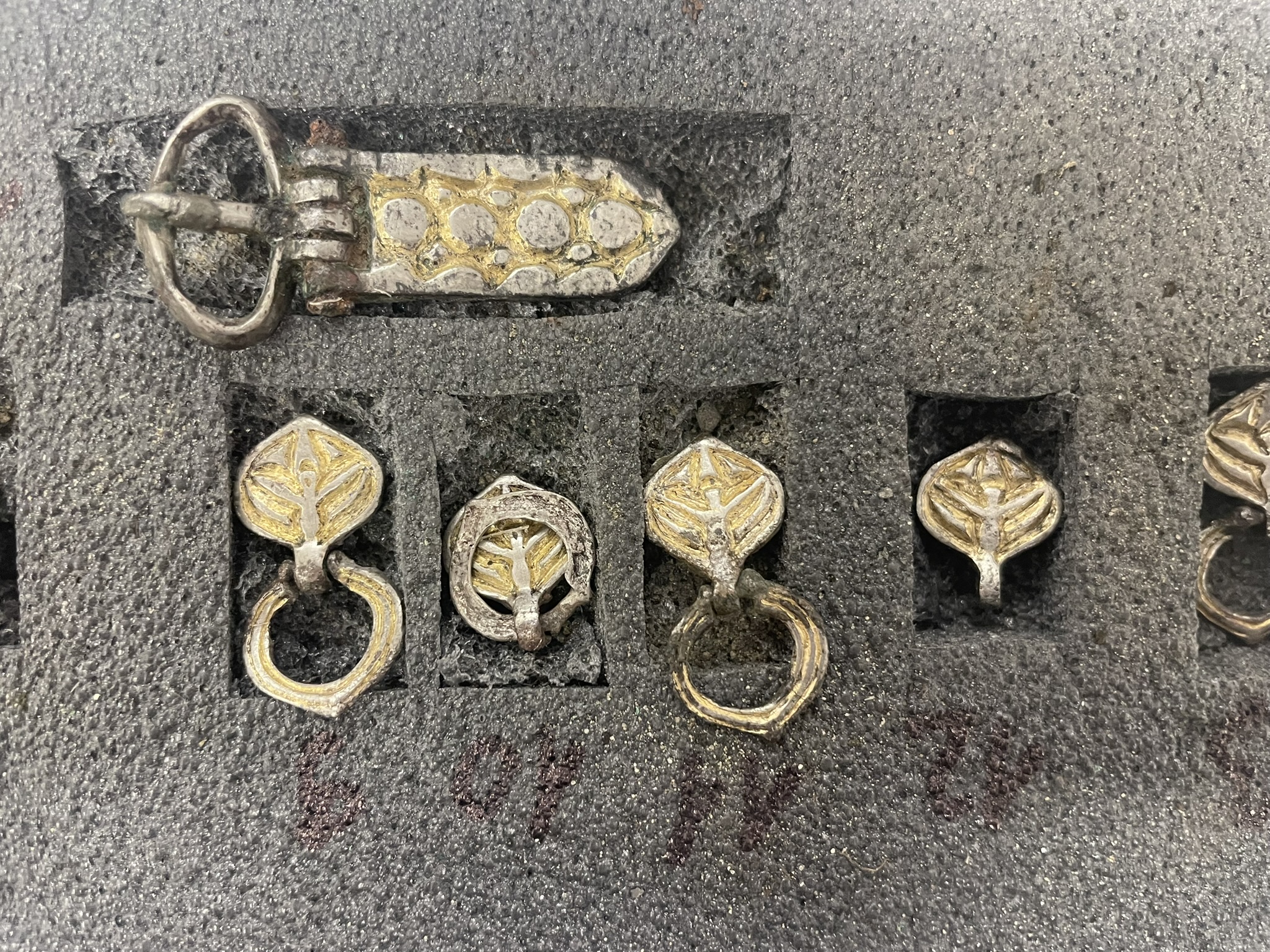
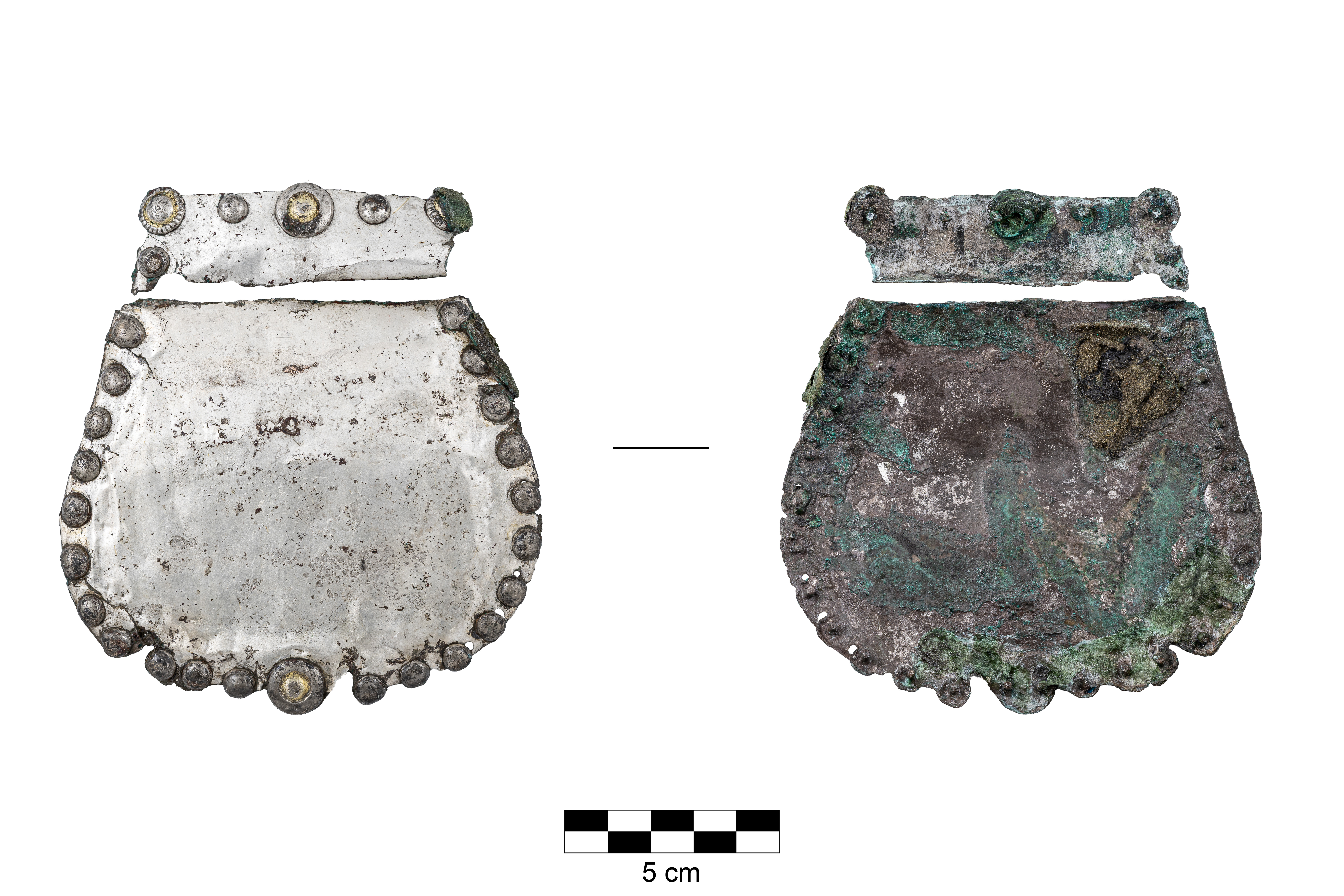
One of the warriors was 17 to 18 years old when he died and had a belt that was partly decorated with gilded silver. On his right side was a leather pouch, known as a sabretache, that was decorated with a silver plate.
"On his left hand he wore a gold ring with blue glass stones," and his "legs were adorned with ornate silver bracelets and anklets," the archaeologists wrote. Several small, gold plates were found on his body — possibly the remains of clothing or his death shroud, the team suggested. He was also buried with a horse harness that had straps decorated with gilded silver.
Another burial contained a warrior who died at the slightly younger age of 15 to 16. He was buried with a quiver that contained seven arrows and a bow. The "stiff arched ends and handle of his bow were covered with decorative antler plates," the archaeological team wrote.
Sign up for the Live Science daily newsletter nowContact me with news and offers from other Future brandsReceive email from us on behalf of our trusted partners or sponsorsBy submitting your information you agree to the Terms & Conditions and Privacy Policy and are aged 16 or over.The third burial held a warrior who died between the ages of 30 and 35. It contained a saber, archery equipment, a horse harness, a silver bracelet, and a belt decorated with coins, the archaeologists said. A DNA analysis revealed that this individual was likely the father or brother of the youngest warrior and that all three warriors were related.
—Archaeologists discover hundreds of metal objects up to 3,400 years old on mysterious volcanic hilltop in Hungary
—Exceptionally rare iron saber, arrowheads and jewelry discovered in seventh-century warrior's tomb in Hungary
—10th-century woman buried with weapons in Hungary is 1st of her kind, but researchers are hesitant to call her a warrior
The team also looked at the ratios of isotopes, or elements with varying numbers of neutrons in their nuclei, in the warriors' remains. This analysis showed that the three warriors had diets rich in animal protein.
From the archaeological finds, "it can be stated that an elite warrior group, presumably members of a military leadership, were buried here," the archaeologists wrote. Research is underway to learn more about the warriors' identities. It's not clear how they died.
TOPICS gold Owen JarusSocial Links NavigationLive Science Contributor
Owen Jarus is a regular contributor to Live Science who writes about archaeology and humans' past. He has also written for The Independent (UK), The Canadian Press (CP) and The Associated Press (AP), among others. Owen has a bachelor of arts degree from the University of Toronto and a journalism degree from Ryerson University.
Show More CommentsYou must confirm your public display name before commenting
Please logout and then login again, you will then be prompted to enter your display name.
Logout Read more Medieval Hungarian duke was murdered in a brutal and coordinated attack, forensic analysis reveals
 Medieval spear pulled from Polish lake may have belonged to prince or nobleman
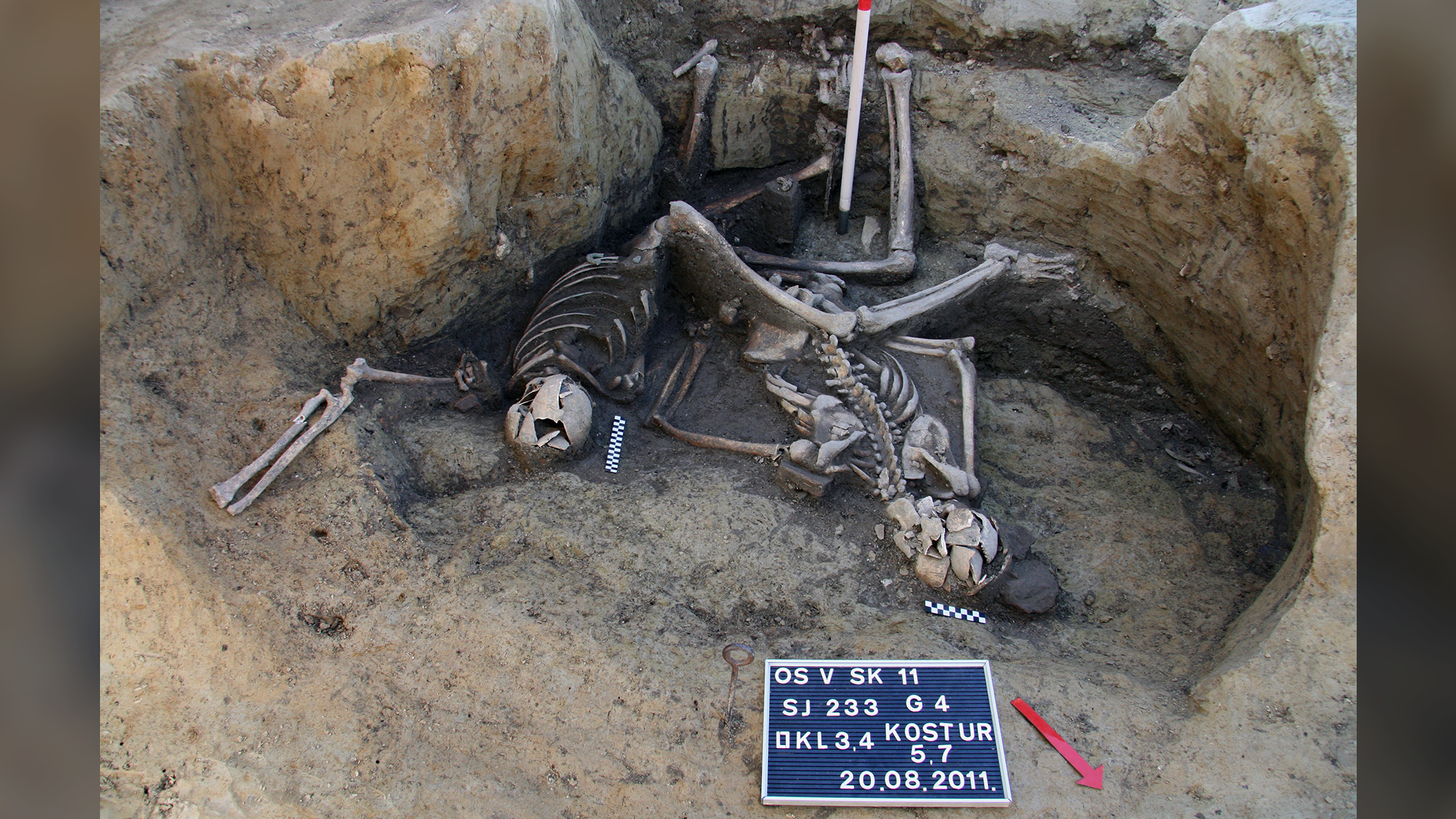 Skeleton-filled well in Croatia likely holds remains of Roman soldiers, study finds
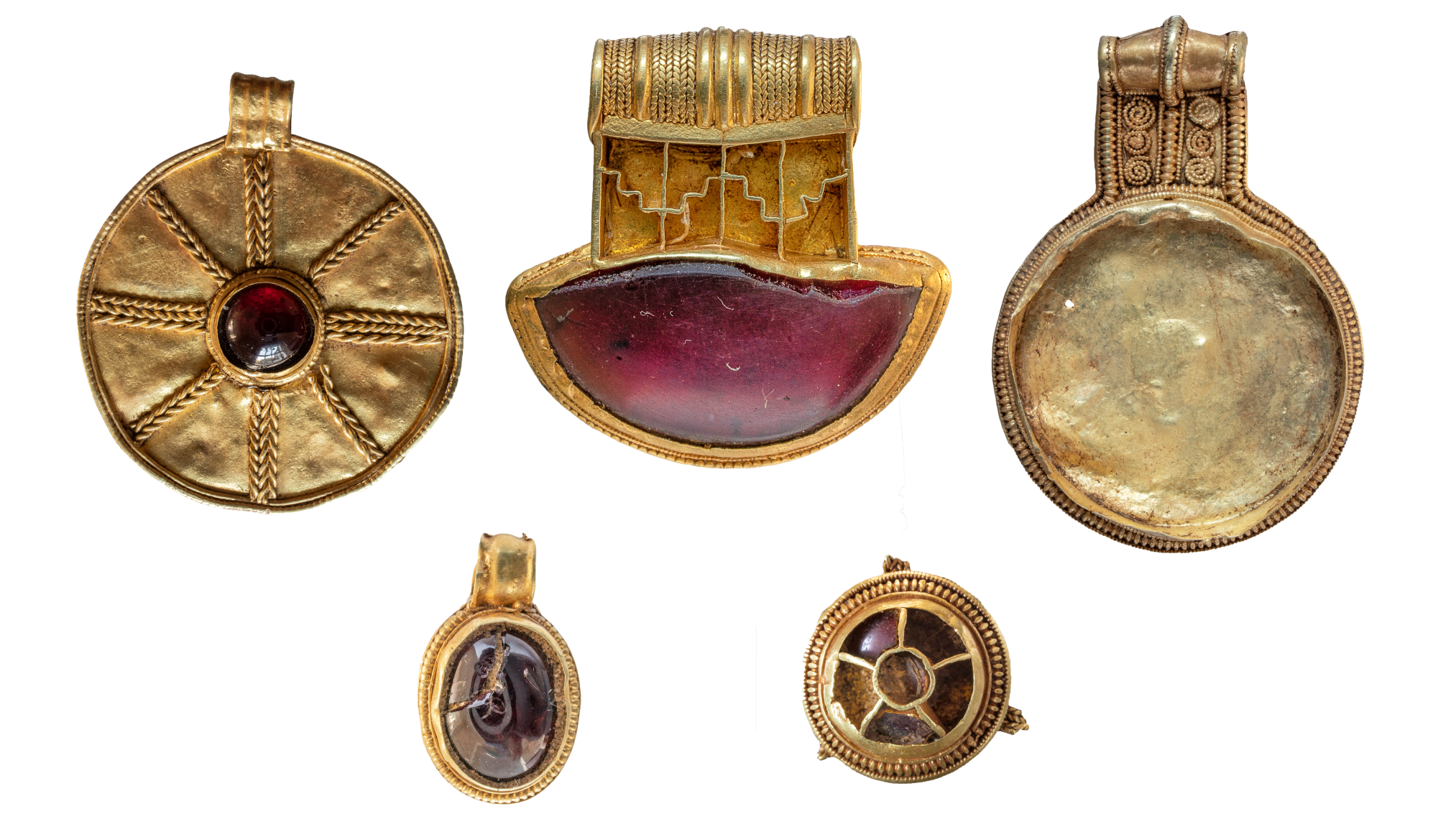 Detectorists find Anglo-Saxon treasure hoard that may have been part of a 'ritual killing'
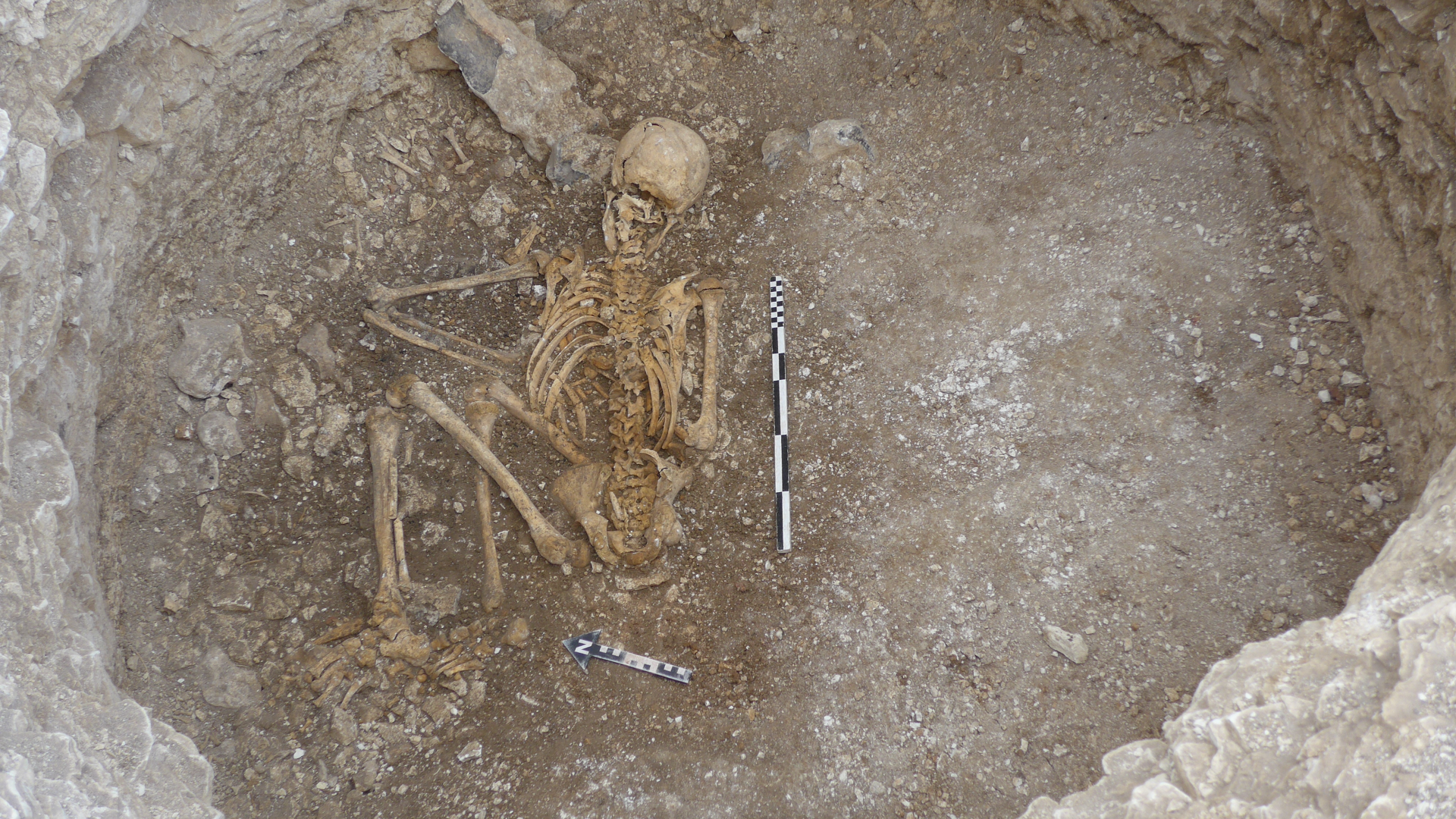 2,000-year-old Celtic teenager may have been sacrificed and considered 'disposable'
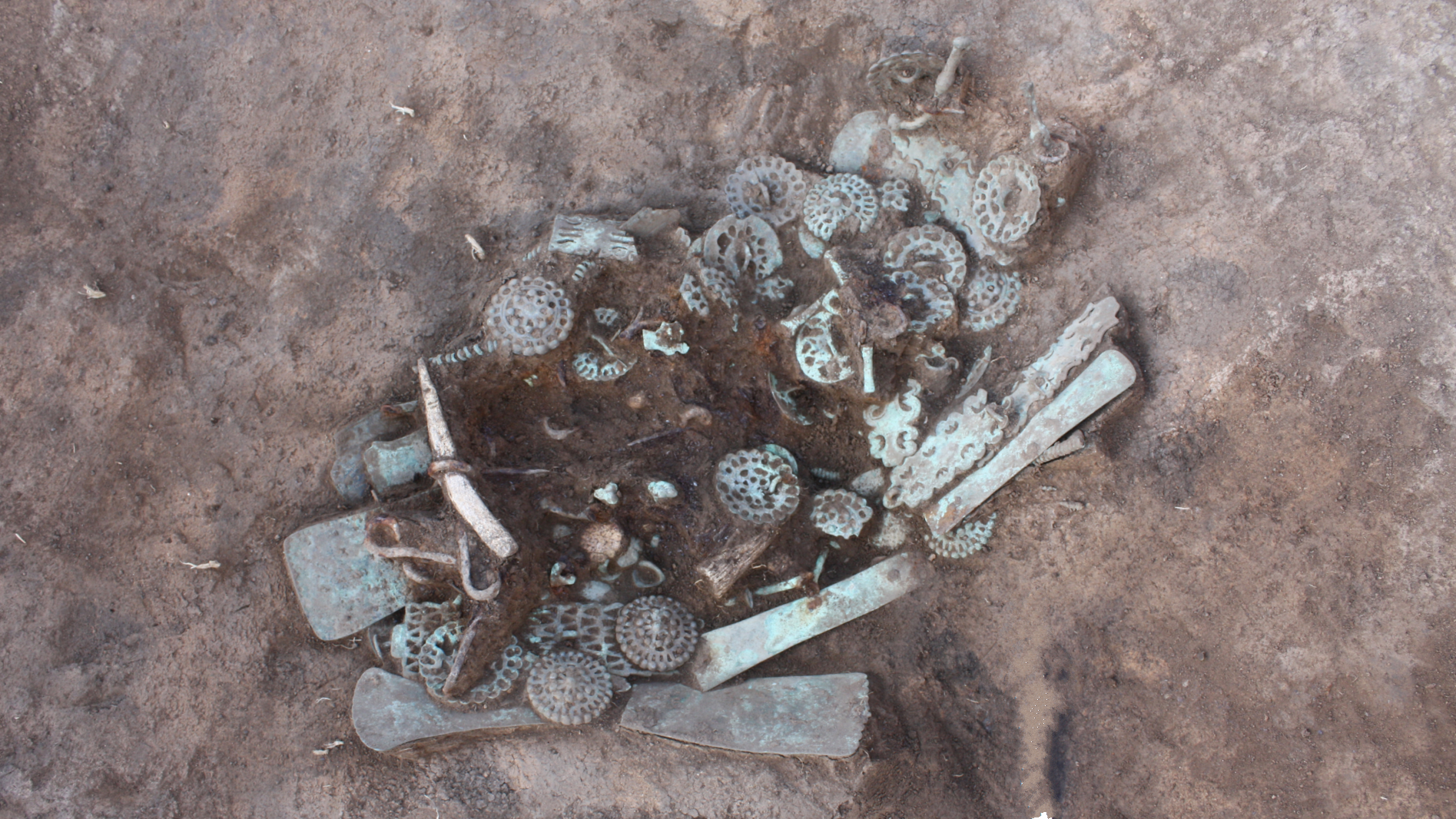 2,400-year-old 'sacrificial complex' uncovered in Russia is the richest site of its kind ever discovered
Latest in Archaeology
2,400-year-old 'sacrificial complex' uncovered in Russia is the richest site of its kind ever discovered
Latest in Archaeology
 'Gospel stories themselves tell of dislocation and danger': A historian describes the world Jesus was born into
 Mysterious Voynich manuscript may be a cipher, a new study suggests
 1.5 million-year-old Homo erectus face was just reconstructed — and its mix of old and new traits is complicating the picture of human evolution
 18,000 years ago, ice age humans built dwellings out of mammoth bones in Ukraine
 'Artificial intelligence' myths have existed for centuries – from the ancient Greeks to a pope's chatbot
 Centuries-old 'trophy head' from Peru reveals individual survived to adulthood despite disabling birth defect
Latest in News
Centuries-old 'trophy head' from Peru reveals individual survived to adulthood despite disabling birth defect
Latest in News
 'How can all of this be happening?': Scientists spot massive group of ancient galaxies so hot they shouldn't exist
 Advanced alien civilizations could be communicating 'like fireflies' in plain sight, researchers suggest
 The moon has been secretly feasting on Earth's atmosphere for billions of years
 US government overhauls the childhood vaccine schedule in unprecedented move
1,100-year-old burials of elite warriors and their ornate weapons discovered in Hungary
US government overhauls the childhood vaccine schedule in unprecedented move
1,100-year-old burials of elite warriors and their ornate weapons discovered in Hungary
 'Wolf Supermoon' gallery: See the first full moon of 2026 in pictures from across the world
LATEST ARTICLES
'Wolf Supermoon' gallery: See the first full moon of 2026 in pictures from across the world
LATEST ARTICLES 1Diagnostic dilemma: Giant 'stone' in a man's bladder looked like an ostrich egg
- 2'How can all of this be happening?': Scientists spot massive group of ancient galaxies so hot they shouldn't exist
- 3Advanced alien civilizations could be communicating 'like fireflies' in plain sight, researchers suggest
- 4What to buy to start a fitness journey (and save some money in the process)
- 5The moon has been secretly feasting on Earth's atmosphere for billions of years