- Space
- Astronomy
- The Moon
A new study reveals that tiny fragments of Earth's atmosphere are transported to and absorbed by the moon via gusts of solar wind and our planet's magnetic field, upending a 20-year-old theory based on NASA's Apollo lunar samples.
When you purchase through links on our site, we may earn an affiliate commission. Here’s how it works.
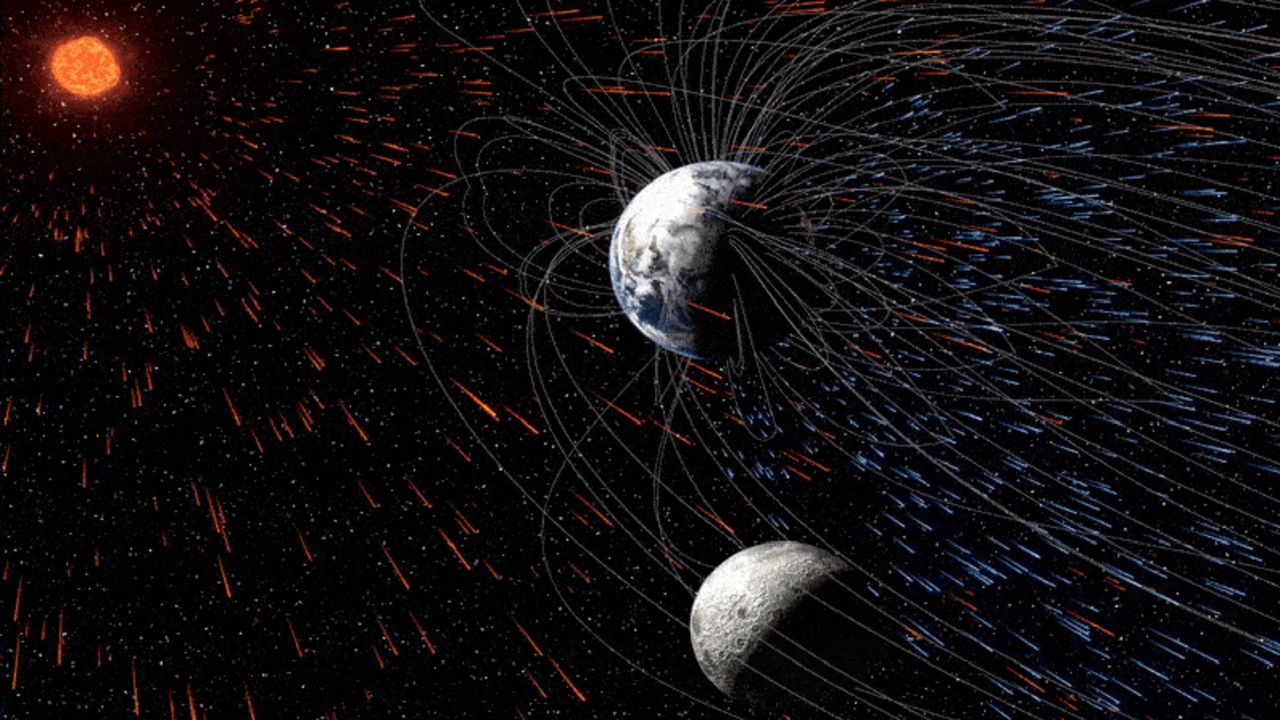
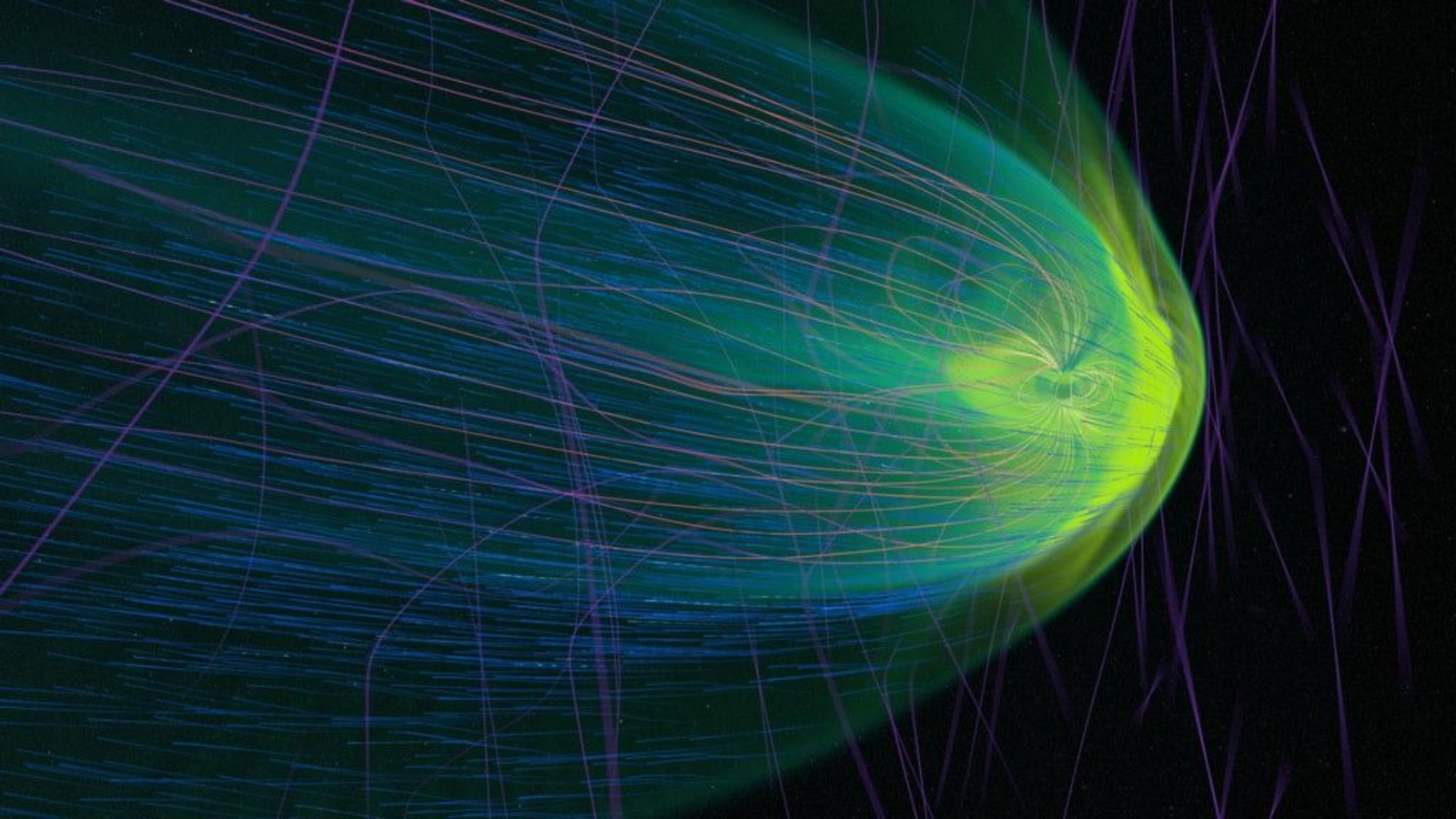
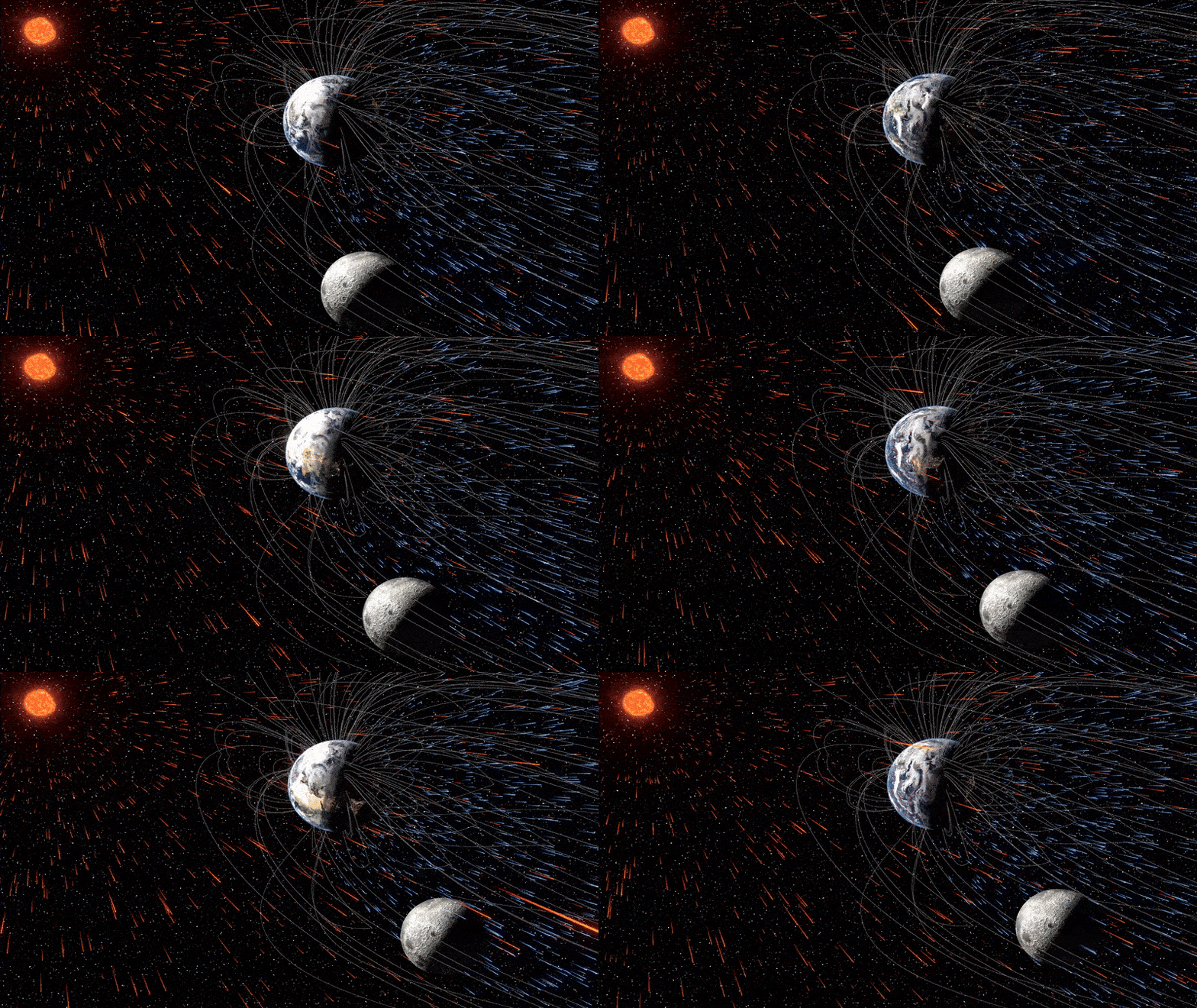 A new study reveals that ions from Earth's atmosphere (blue) get transported to the moon by the solar wind (red) via the invisible magnetic field lines (white) in Earth's magnetic tail. This occurs when our satellite passes through the tail around its "full moon" phase.
(Image credit: University of Rochester illustration / Shubhonkar Paramanick)
Share
Share by:
A new study reveals that ions from Earth's atmosphere (blue) get transported to the moon by the solar wind (red) via the invisible magnetic field lines (white) in Earth's magnetic tail. This occurs when our satellite passes through the tail around its "full moon" phase.
(Image credit: University of Rochester illustration / Shubhonkar Paramanick)
Share
Share by:
- Copy link
- X
The moon is quietly absorbing tiny fragments of Earth's atmosphere — and has been doing so for billions of years, a new study reveals. This surprising case of cosmic cannibalism is thanks to supercharged solar winds and, more importantly, our own planet's magnetic field.
The findings upend a 20-year-old theory about how certain charged particles, known as ions, ended up on the lunar surface, and could have big implications for upcoming moon missions, researchers say.
You may like-
 Scientists finally find explanation for lopsided cloud that follows Earth's moon through space
-
 Earth had a secret neighbor, and it may explain our moon
-
 We were wrong about how the moon's largest and oldest crater formed — and that's great news for NASA's next lunar landing
Since 2005, the leading theory suggests that this material transfer could have only happened before Earth developed its magnetic field, or magnetosphere, because this invisible forcefield would have likely trapped any atmospheric ions being blown away from our planet.
However, in the new study, published Dec. 11 in the journal Communications Earth & Environment, scientists combined data from the Apollo samples with computer models simulating the evolution of Earth's magnetosphere, and found that the transfer of atmospheric ions was greatest whenever the moon passes through our planet's magnetic tail — the largest section of the magnetosphere that always points away from the sun. (This alignment occurs when Earth gets between the moon and sun, near the full moon phase each month).
The models revealed that, rather than blocking atmospheric ions from being blown from our planet, the magnetic field lines within Earth's tail act as invisible highways for charged particles, guiding them toward the moon, where they are then settled into the lunar regolith.
This means that the transfer of atmospheric ions likely began shortly after the magnetosphere took shape around 3.7 billion years ago — and is likely still occurring today.
Sign up for the Live Science daily newsletter nowContact me with news and offers from other Future brandsReceive email from us on behalf of our trusted partners or sponsorsBy submitting your information you agree to the Terms & Conditions and Privacy Policy and are aged 16 or over.Until now, scientists had assumed that the lunar regolith would only contain traces of Earth's earliest atmosphere. However, the new study suggests that these samples could actually act as a time capsule for our atmosphere and magnetosphere.
"By combining data from particles preserved in lunar soil with computational modeling of how solar wind interacts with Earth’s atmosphere, we can trace the history of Earth's atmosphere and its magnetic field," study co-author Eric Blackman, a theoretical astrophysicist and plasma physicist at the University of Rochester, said in a statement.
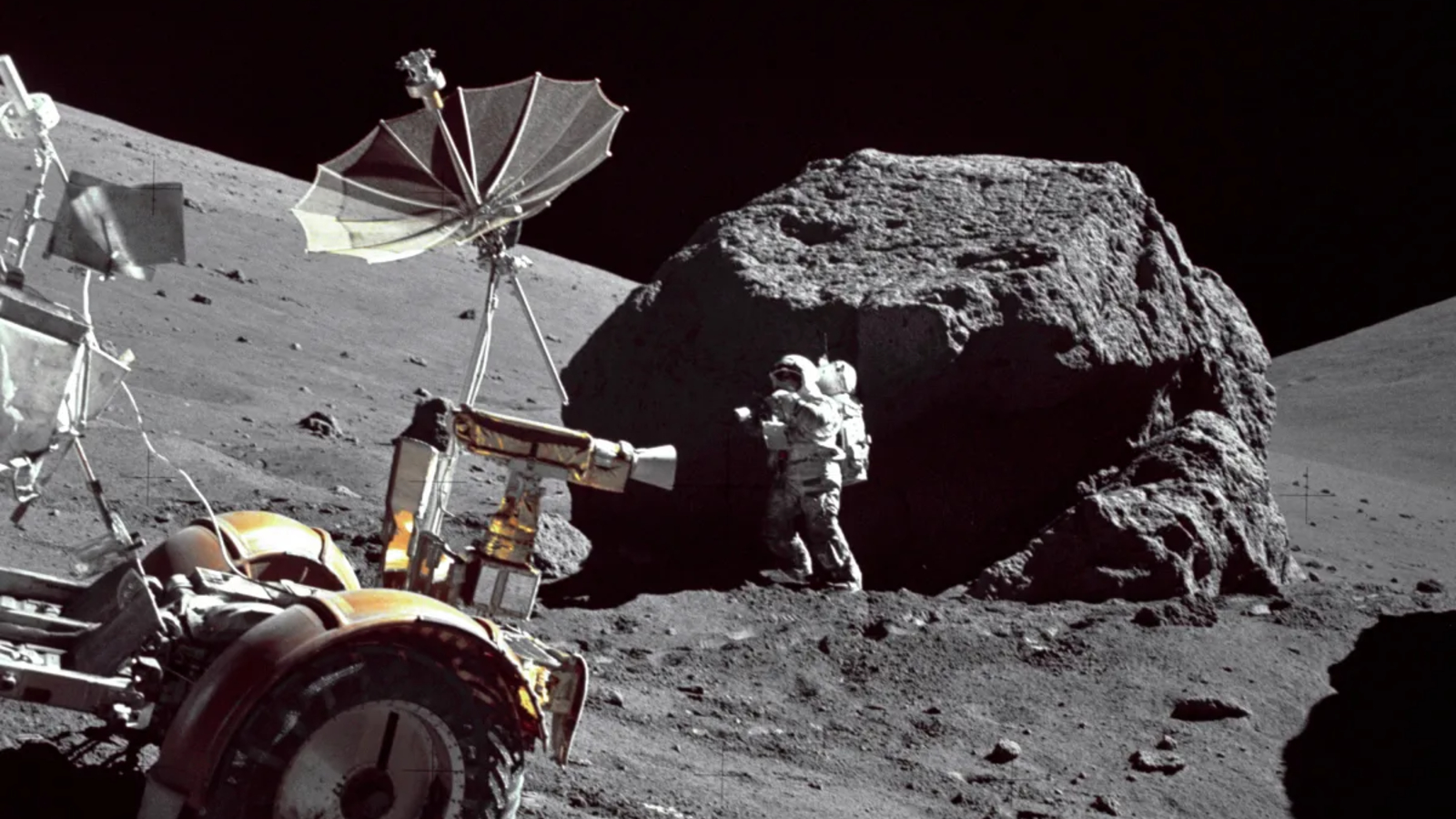
As a result, regolith collected during upcoming lunar missions — such as NASA's Artemis program, which aims to put boots on the moon by 2028, and China's moon missions, which have already returned lunar samples to Earth — could help researchers fill in gaps in our planet's geological history.
Earth is not the only solar system object to lose tiny bits of itself to the solar wind. Mercury is often seen with a long comet-like tail of dust that is blown off its surface, while the moon also has a tail of ablated sodium ions that Earth repeatedly passes through.
RELATED STORIES—Scientists finally find explanation for lopsided cloud that follows Earth's moon through space
—We were wrong about how the moon's largest and oldest crater formed — and that's great news for NASA's next lunar landing
—Scientists scan famous 'Earthrise' crater on mission to find alien life in our solar system
By further studying how Earth loses its atmosphere to the moon, the researchers are hopeful of learning more about how this may have happened elsewhere in our cosmic neighborhood.
"Our study may also have broader implications for understanding early atmospheric escape on planets like Mars, which lacks a global magnetic field today but had one similar to Earth in the past," study lead author Shubhonkar Paramanick, a planetary scientist at the University of Rochester, said in the statement. Future research could help scientists "gain insight into how these processes shape planetary habitability," he added.
 Harry BakerSocial Links NavigationSenior Staff Writer
Harry is a U.K.-based senior staff writer at Live Science. He studied marine biology at the University of Exeter before training to become a journalist. He covers a wide range of topics including space exploration, planetary science, space weather, climate change, animal behavior and paleontology. His recent work on the solar maximum won "best space submission" at the 2024 Aerospace Media Awards and was shortlisted in the "top scoop" category at the NCTJ Awards for Excellence in 2023. He also writes Live Science's weekly Earth from space series.
Show More CommentsYou must confirm your public display name before commenting
Please logout and then login again, you will then be prompted to enter your display name.
Logout Read more Earth had a secret neighbor, and it may explain our moon
 Scientists discover first direct evidence that slivers of 'proto-Earth' may survive today
 Mysterious, irradiated 'scar' in our galaxy may finally have an explanation
 What are the mysterious lights sometimes seen on the moon?
 Scientists detect monster blast from nearby star that could rip the atmosphere off a planet
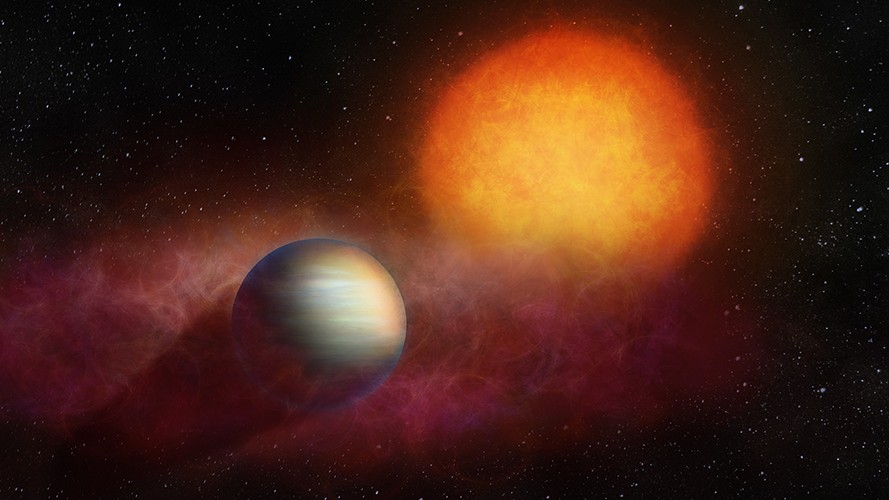 JWST spots a planet chasing its own atmosphere through space
Latest in The Moon
JWST spots a planet chasing its own atmosphere through space
Latest in The Moon
 'Wolf Supermoon' gallery: See the first full moon of 2026 in pictures from across the world
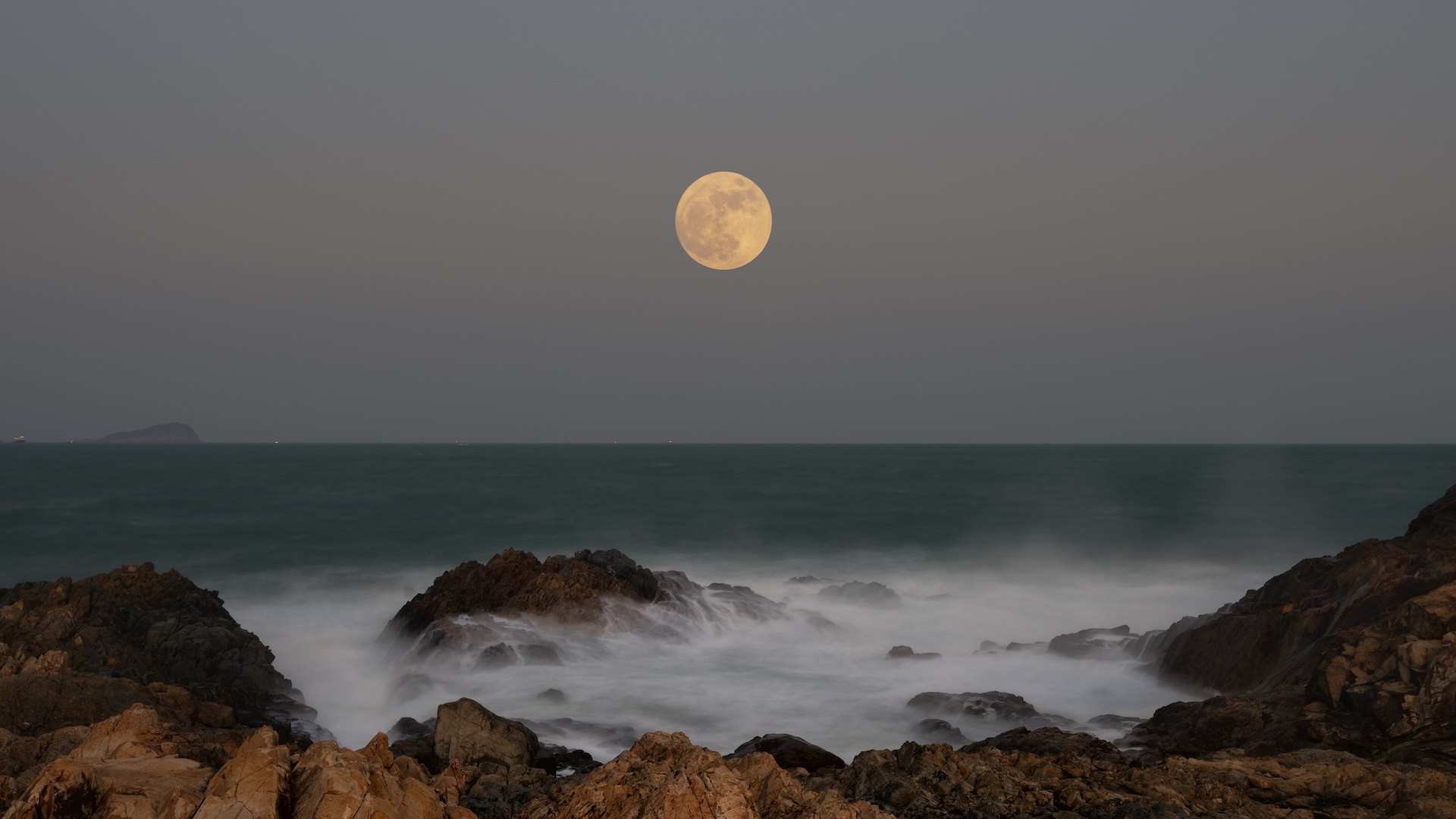 Full moons of 2026: When to see all 13 moons rise next year
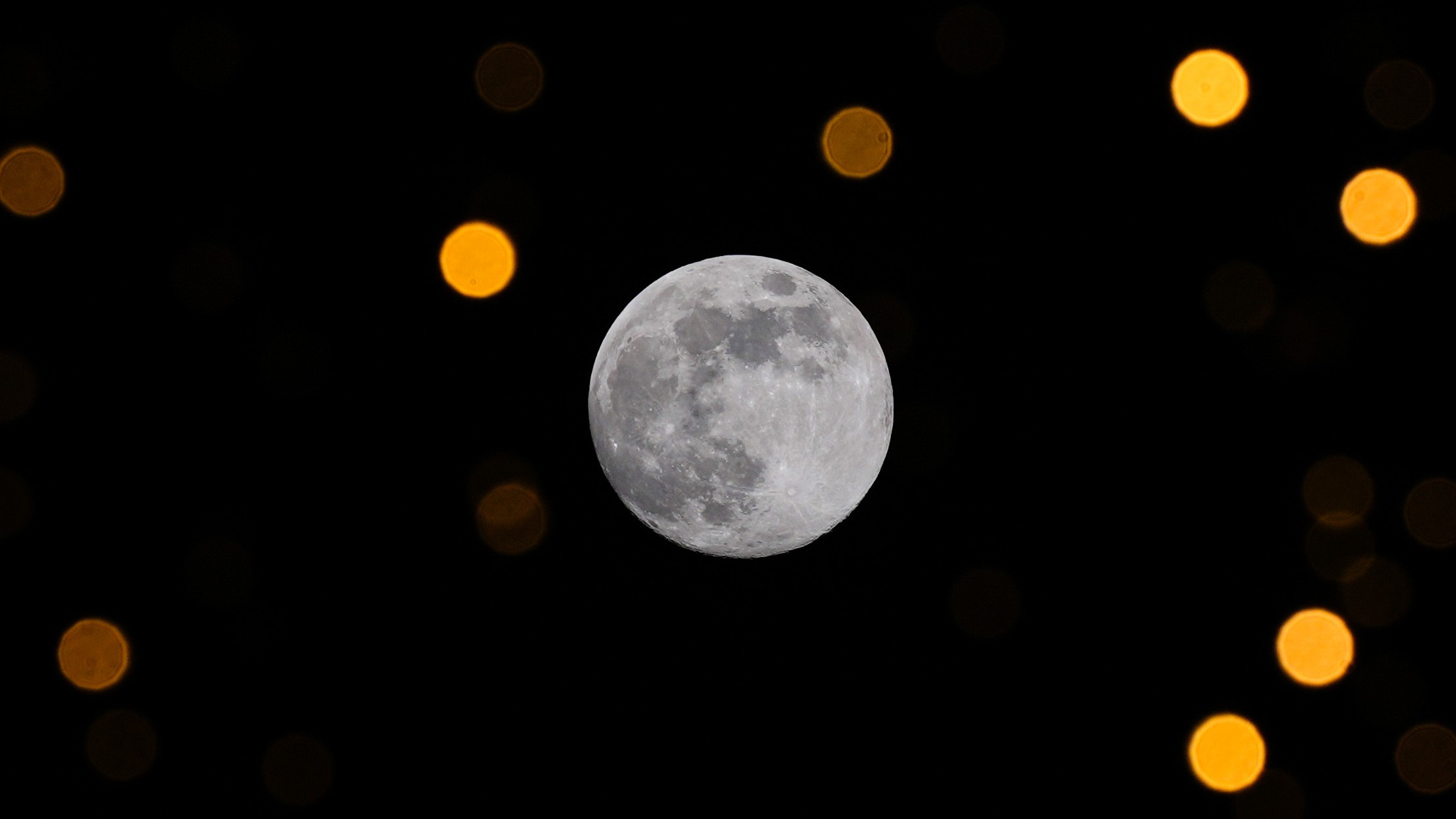 Cold Moon 2025: See the last and highest full moon of the year
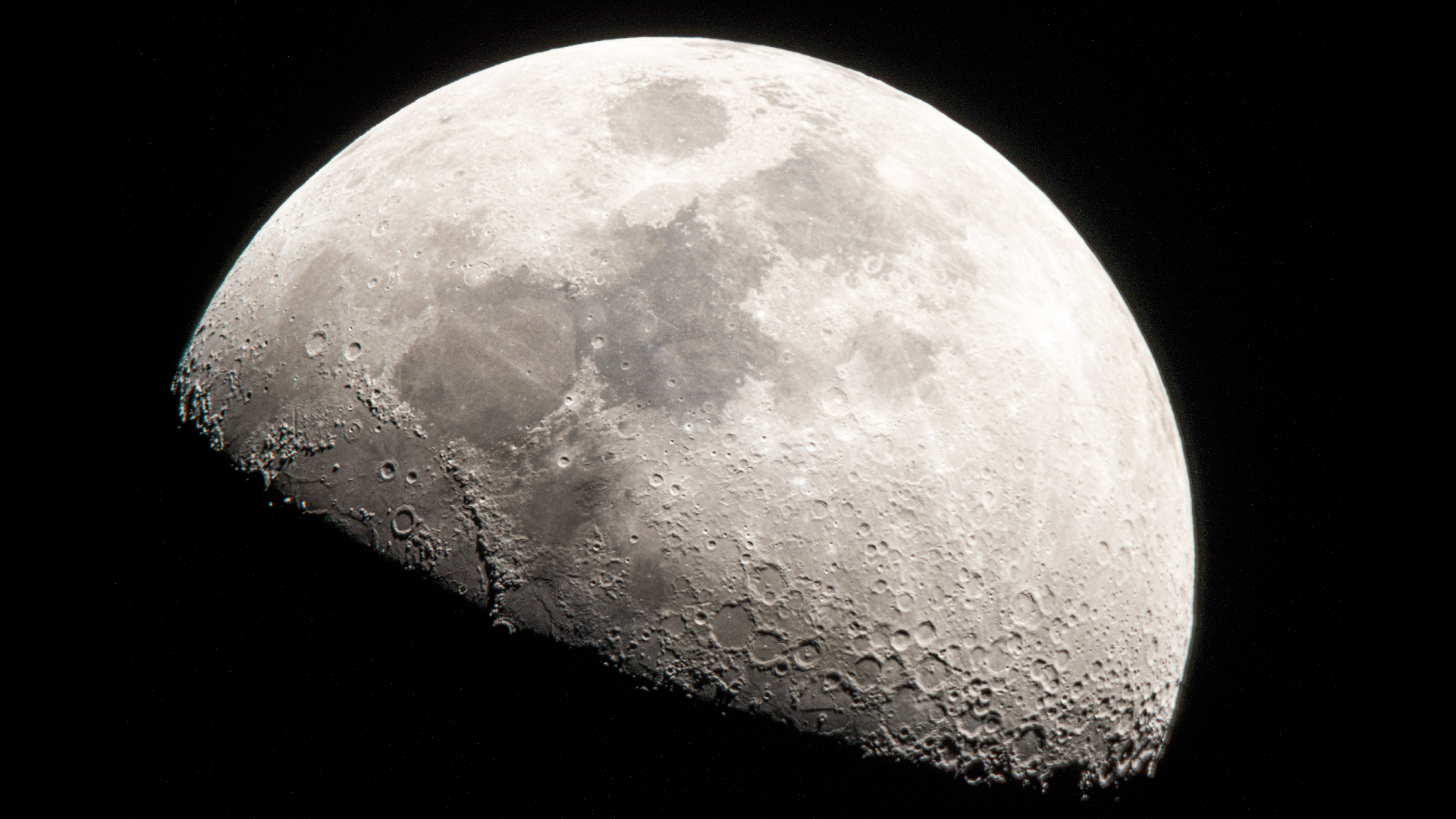 Scientists finally find explanation for lopsided cloud that follows Earth's moon through space
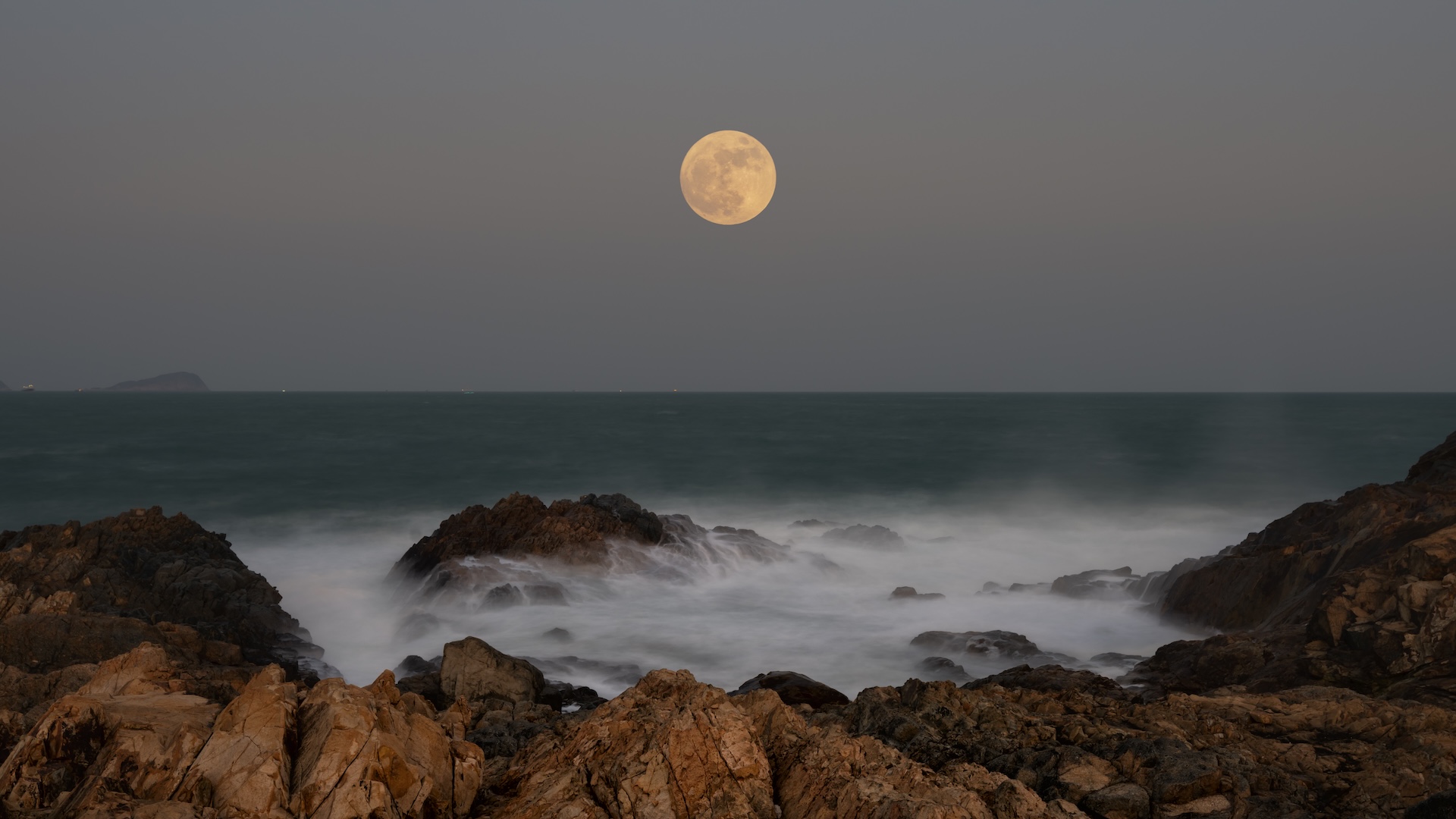 Beaver Supermoon: The biggest, brightest full moon of the year rises tonight
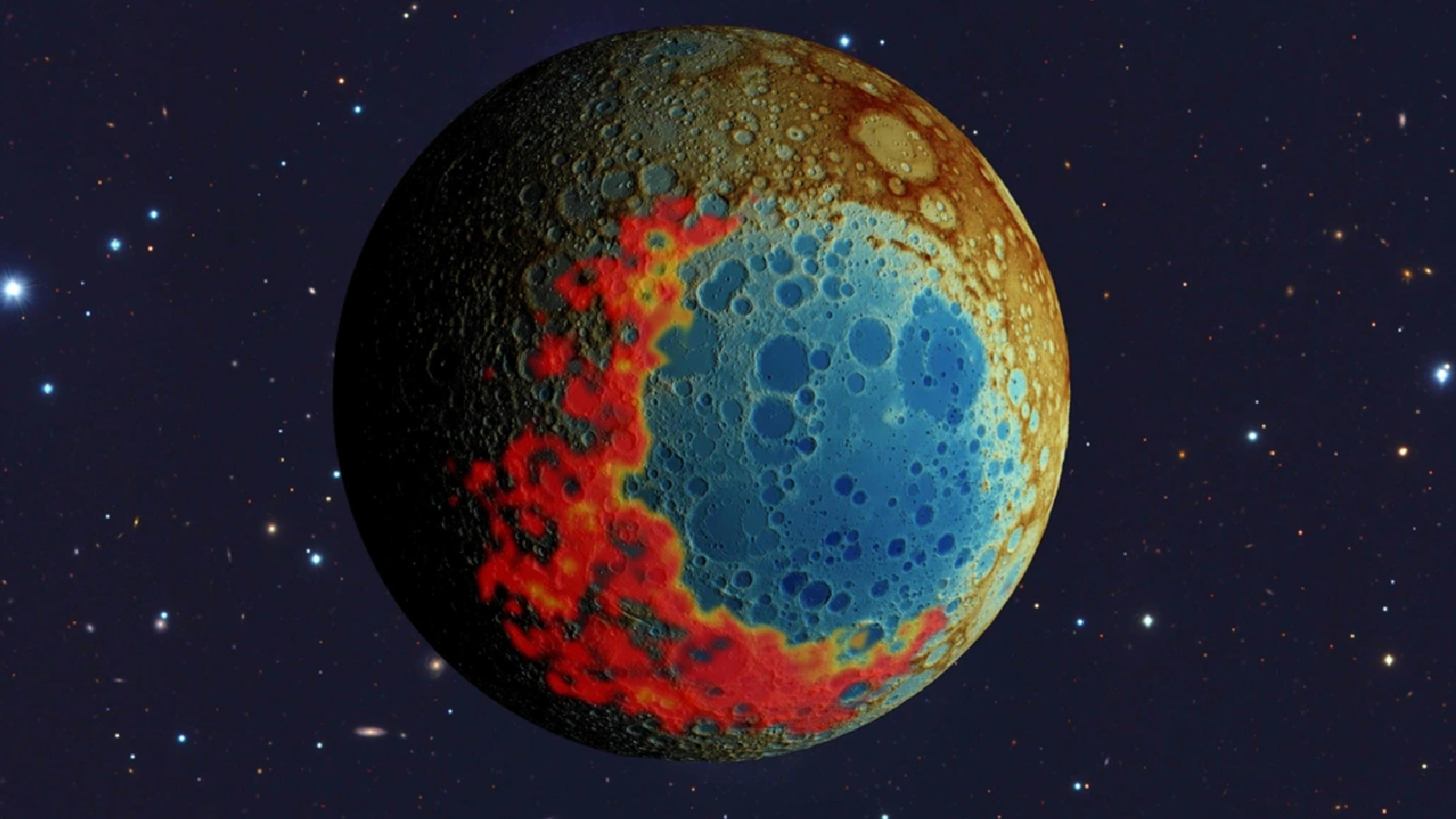 We were wrong about how the moon's largest and oldest crater formed — and that's great news for NASA's next lunar landing
Latest in News
We were wrong about how the moon's largest and oldest crater formed — and that's great news for NASA's next lunar landing
Latest in News
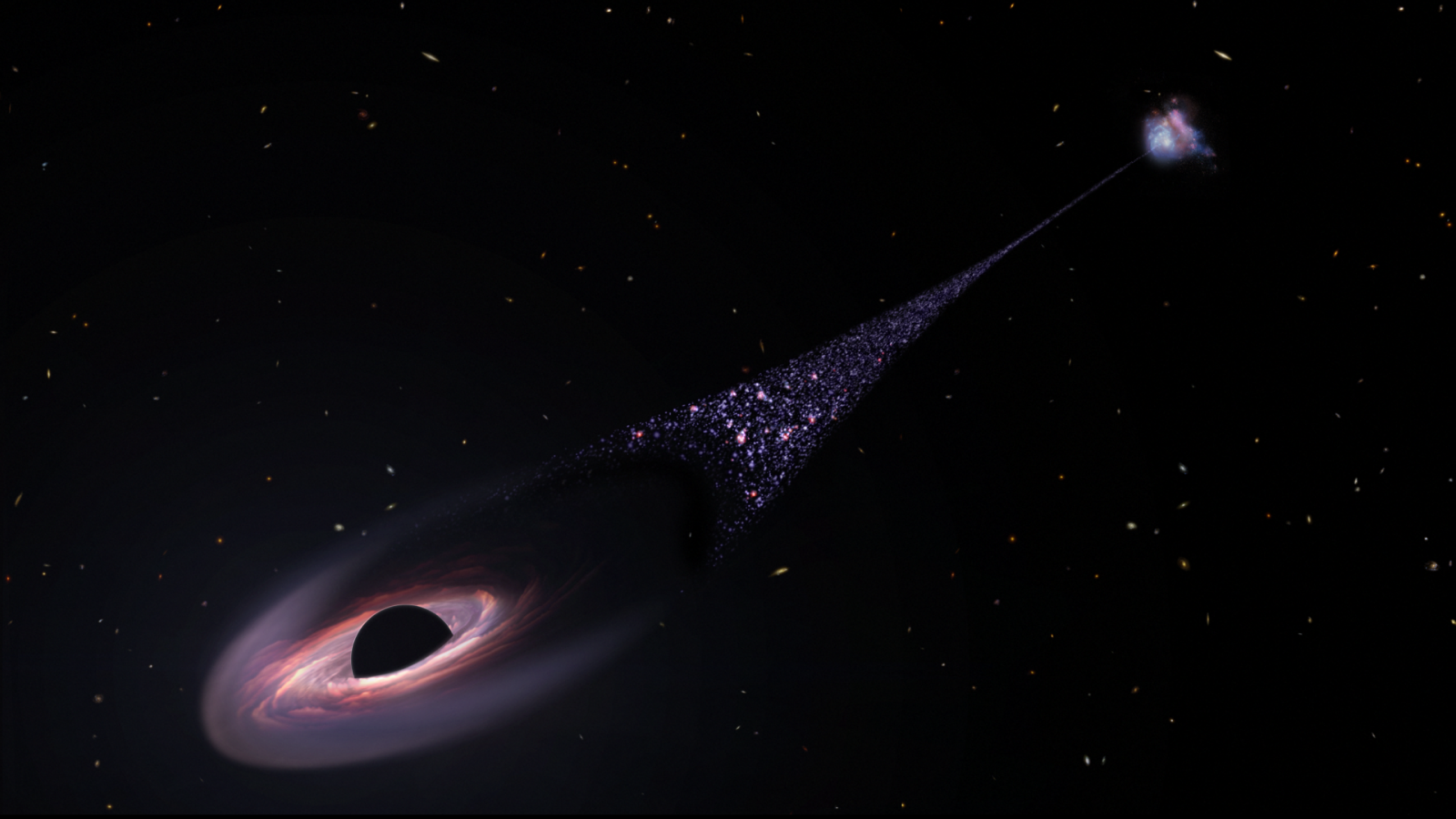 James Webb telescope confirms a supermassive black hole running away from its host galaxy at 2 million mph, researchers say
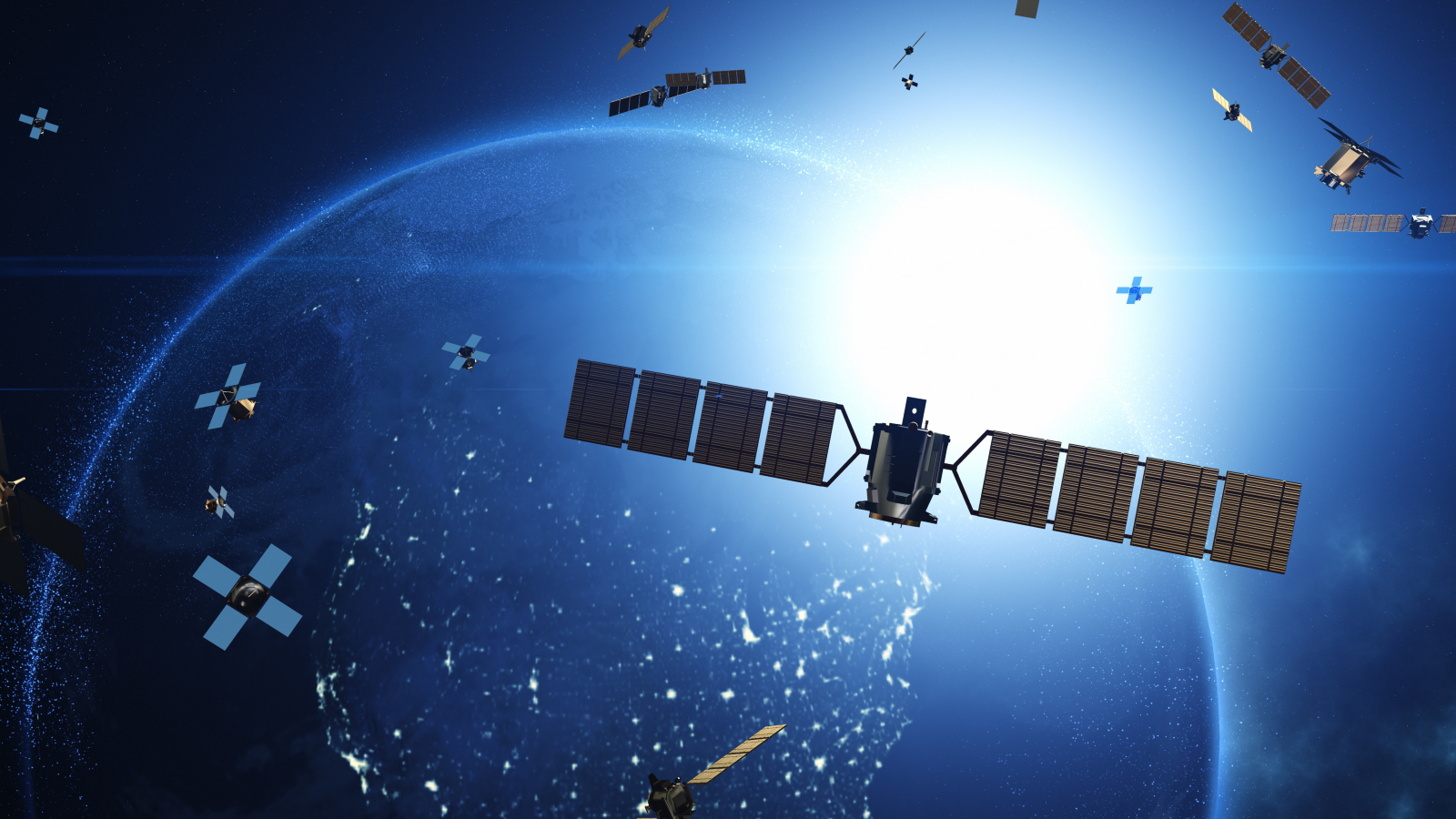 Orbiting satellites could start crashing into one another in less than 3 days, theoretical new 'CRASH Clock' reveals
 Vera C. Rubin Observatory discovers enormous, record-breaking asteroid in first 7 nights of observations
 New US food pyramid recommends very high protein diet, beef tallow as healthy fat option, and full-fat dairy
 Rare 2,000-year-old war trumpet, possibly linked to Celtic queen Boudica, discovered in England
 Leonardo da Vinci's DNA may be embedded in his art — and scientists think they've managed to extract some
LATEST ARTICLES
Leonardo da Vinci's DNA may be embedded in his art — and scientists think they've managed to extract some
LATEST ARTICLES- 1Orbiting satellites could start crashing into one another in less than 3 days, theoretical new 'CRASH Clock' reveals
- 2Vera C. Rubin Observatory discovers enormous, record-breaking asteroid in first 7 nights of observations
- 3New US food pyramid recommends very high protein diet, beef tallow as healthy fat option, and full-fat dairy
- 4Rare 2,000-year-old war trumpet, possibly linked to Celtic queen Boudica, discovered in England
- 560,000-year-old poison arrows from South Africa are the oldest poison weapons ever discovered